
The cost of an early ticket: how cash out really works at the ten UK bookmakers
 Available in US
A bettor lays a stake on a fourfold at 5.00, watches three legs land, then watches the fourth turn. Sitting at the bookmaker’s in-play screen, the cash out value ticks between green and red — the chance to lock a profit or claw back some of the original stake. The bookmaker, of course, knows the price of settling early at this exact second more precisely than the customer ever will. That asymmetry of timing is what cash out is, and the rest of this page is about what that asymmetry costs.
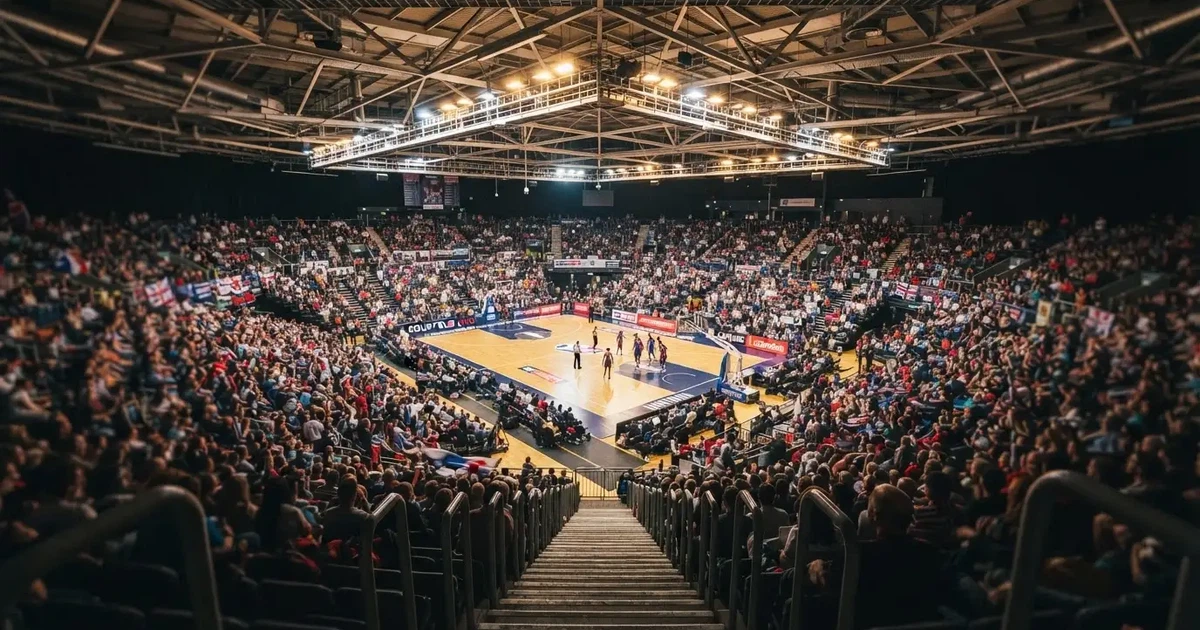
Data current as of 27 October 2026 and checked against the Gambling Commission’s public licence register.
Apps, taps and one-handed betting: how cash out lives on the phone
Cash out was an in-shop concept decades before it became a thumb-press on the phone. A bettor whose slip depended on the last race at Cheltenham could ask the counter to settle, the manager would consult a board, an offer came back. The phone rebuilt the same mechanic around live prices streaming in, with the offer updating in milliseconds. The shift changed what a punter can reach, not the cost of reaching it.
A cash out button needs three things to be useful: a live price feed, a settlement engine that can price an open bet at that exact moment, and a bettor physically able to press the button while watching the event. None of those is a given. On a low-end handset the price can lag the screen on the operator’s site; on a busy match minute a server queue can refuse the request outright, so the bettor comes back later to find the position moved and the new offer worse. The bookmaker’s help pages say so plainly: cash out offers are generated in real time from live prices and fluctuate, and a sudden large price move can make a cash out attempt fail or succeed only partly, after which a new offer is shown.
Mobile cash out therefore hides a piece of infrastructure most readers will never see. Three operational choices shape what the button does in practice.
Streaming first, cash out second. A bettor who only sees a live stream on the bookmaker’s app sees the event before the algorithm settles the bet. Streaming and in-play betting are the two halves of in-play trading; without streaming a punter who wants to cash out is acting on price alone, and the bookmaker’s price is the only one the screen shows.
Bet size and slip format matter. The ten featured operators accept cash out on singles, doubles and most accumulators, but only where every leg of the bet is itself eligible. A each-way double on two horses, or an accumulator with one leg on a market the operator has taken off the in-play board, removes the cash out button from the entire slip. The reader checking a bet with five legs in front of a six-a-side match sees the absence of the button before seeing the watchability of the screen.
Acceleration on opening and closing. The most aggressively priced moments of an in-play market are the first sixty seconds after the whistle and the last sixty before full time. Both are when the cash out feed also moves hardest, which is exactly when the button is most useful and most likely to misfire. That tradeoff is the trade on every mobile app.
The practical consequence is that the cheapest cash out in absolute price is often the one most likely to fail mechanically. A bettor chasing a green figure at 89 minutes in a 1-0 football match gets a quote, presses, sees the “try again” message, gets a worse quote, presses again, sees it succeed. By then the price has moved twice. The screen the reader is moving their eye from is not the screen the operator’s pricing engine is reading from; in the seconds between, the bookmaker’s mid changes and so does the offer. The ten operators below differ in how their apps handle this — whether the offer holds for a few seconds or turns over instantly — but no app gives the customer the same precision of execution the bookmaker’s pricing desk already has.
Live, in-play and the moment the bet stops being a ticket
The line between a pre-match bet and an in-play bet is the line between a static price and a live one. A pre-match stake is locked at the price the customer accepted when they tapped the button. The bookmaker may take early money on the next price, but the customer’s bet does not change. The moment an event starts, prices on every market attached to that event start ticking against the score, the clock, the weather, the next throw-in, the next dismissal. The bettor who already has a slip is no longer betting at a price; the bettor is holding a position that someone else is willing to close.

Cash out is the settlement mechanism for that position. The bookmaker quotes a price to close the bet now; the customer takes it or leaves the bet to be settled at full time. The price is whatever the bookmaker’s pricing engine says an unsettled slip is worth at this second, given the live state of the event. It is not the original stake plus accrued interest. It is whatever number keeps the bookmaker’s book balanced if the customer walks away.
In-play betting without cash out means the punter rides the bet to full time. That is most of the long history of betting. Adding cash out to an in-play book is a price for the option to exit early. Like any option, that price is wider when the event is volatile and tighter when the event is calm. A 0-0 football match at half-time has a quiet market; a 2-2 match at 75 minutes has a loud one, and cash out offers reflect that. Where cash out is genuinely valuable is precisely where it is also most erratic — the moments when a goal is about to be scored.
Two further mechanics sharpen the picture. Partial cash out settles part of the slip and leaves the rest running — useful for a bettor who wants to bank some profit but keep a stake on the final outcome. Auto cash out lets the customer set a target profit or stop-loss and lets the system execute the close for them, which removes the user’s timing input but cedes the timing to the app. Both features appear on most of the ten featured apps; both depend on the bet’s structure. If a leg of the slip is ineligible for cash out — for example a market the operator has just suspended, or a free bet — the button is unavailable for the whole bet.
The reader should treat the cash out button as a quoted offer with a built-in spread. Some offers are tighter than others; some are missing altogether. That is what the table of operators further down makes clear. The job of the rest of this section is to explain what an offer that is showing is actually built on.
What the cash out quote is built from
The bookmaker’s quote is the same engine that priced the original bet, run again with the current state of the event as input and the bet’s remaining possibilities as output. There is no hidden reserve. The reader who can read a betting slip can read a cash out value, because both are functions of the same prices.
The variables that move the cash out number most are:
- The score and the clock — every goal, every booking, every break of play shifts the live price and therefore the offer.
- The original price — a high-price winner (a long shot that has shortened into favouritism) generates the largest cash out profits and the largest cash out values; a short-price favourite offers smaller absolute cash out numbers.
- The market’s depth — football and tennis carry deep in-play books with tight spreads; lower-league football, women’s tennis outside the top tier, and many esports carry thinner books where the same cash out is wider.
- The vig — every cash out quote contains the bookmaker’s margin on the next settlement. That margin is invisible to the customer and is the cost of using the feature.
Partial and auto: two flavours the reader will meet first
A partial cash out settles half (or any chosen share) of the stake and leaves the rest running. The book’s phrasing is consistent across operators: only the portion settled is paid out; later events affect only the portion still open. The mechanic lets a punter both bank profit and stay in the bet. Where partial cash out is offered, the slip carries a slider instead of a button.
An auto cash out lets the customer pick a trigger — close the bet when the live value reaches £50, say — and the system executes the close for them. Both the trigger and the executed price are the operator’s, not the customer’s. Apps that advertise auto cash out heavily are selling a feature that lets the bookmaker quote a less generous offer than a manual press would generate, because the operator knows the customer will not re-quote at the worst moment.
What the industry’s own ranking looks like and what it doesn’t measure
Ten UK Gambling Commission-licensed operators are listed below. Each holds a remote general betting standard (real events) licence, which is the licence category for the kind of betting this page covers. The order is not a ranking from best to worst: no single bookmaker is “the only” licensed one and a place in a comparison is not itself a licence. It is a path through the operators the Commission’s public register lists against the licences the page covers, each one reviewed on what its own terms state about cash out and in-play.
A table of the comparison fields reads below. The four columns are the matter of the comparison on this page, and the licence column carries the exact Commission account number a reader checking the register would search on.
| Brand | Gambling Commission remote licence | What the operator’s own terms say on cash out |
|---|---|---|
| Paddy Power | 039439-R-319330-013 (PPB Counterparty Services Limited) | Live streaming in-app; promotions run through Paddy’s Rewards Club; cash-out availability is on each market’s slip. |
| Bar One Racing | 056516-R-332750-007 (Bar-One Racing Limited) | Irish independent bookmaker; in-play and cash-out coverage is per market, horse racing a focal sport. |
| Tote | 054779-R-331321-008 (TDCO Limited) | Tote app includes free live streaming of racing, the Form Wiz tool and safer-gambling controls; cash-out scope is set per market. |
| Sporting Index | 027343-R-308898-011 (Sporting Index Limited) | Customers can switch between fixed odds and spread betting; in-play betting, Bet Builder for football, auto cash-out and Multi-Markets. |
| BetTom | 064959-R-339314-003 (Bet Tom Limited) | Sports welcome offer is 50% back as a free bet up to £50 plus a parallel 50% casino free-spins offer up to £50; full T&Cs apply. |
| QuinnBet | 061011-R-335683-004 (QuinnBet (Gibraltar) Limited) | Cash Out on various markets, Bet Builder, live horse racing streaming and safer-gambling tools. |
| Fitzwilliam Sports | 048760-R-335434-009 (SBKI Limited) | Phone and live chat support 09:00 to 21:00 seven days a week; cash-out scope is per market. |
| Geoff Banks | 054095-R-330366-010 (GB Sports Advisors Limited) | Live in-play prices and ante-post prices; cash-out availability is on each market’s slip. |
| Betway | 039372-R-319367-029 (Betway Limited) | Live in-play betting, live streaming, Bet Builder, full and partial Cash Out, Betway Boosts, eSports, coverage of 30+ sports. |
| 10bet | 043173-R-322899-023 (Blue Star Planet Limited) | Football, tennis and horse racing coverage with Cash out, Bet Builder and Live Streaming. |
The columns above carry what the Commission’s register and the operators’ own terms state. They do not contain prices, margins, payout speeds or wagering multiples, because no single quoted figure across this set holds up across sports, markets or stake sizes. A reader who wants to compare on those fields needs a quote on a market at the moment of interest, and that quote is the operator’s at the moment of interest. The table is the audit trail — what each operator publishes about itself for the world to check against — and the prose paragraphs that follow weigh what that trail actually means.
Why the table is short and the page is long
The brands above are all the comparison needs to name. A reader who can run a finger down four columns can confirm in a glance that each one holds a UK Gambling Commission remote licence, that the licence holder is named, and that the operator publishes its own cash-out policy for the reader to read. What the columns cannot carry is the qualitative depth behind any one of those lines — what the policy actually says, who it suits, where it falls short. The reviews below carry that.
Great Britain licences, why they matter and what they do not do
The legal frame for online betting in Great Britain is the Gambling Act 2005. Since the Gambling (Licensing and Advertising) Act 2014, an operator whose remote facilities are used in Great Britain needs a Gambling Commission licence wherever the operator is based. A Curaçao, Maltese or Gibraltar operating licence is not a substitute. Sections 33 and 36 of the 2005 Act, as amended, are the relevant provisions. Northern Ireland sits outside the Act; the page should say “GB-licensed”, never that a GB licence regulates Northern Ireland.
The Commission’s public register can be searched by business name, trading name, domain or account number. That search is the whole test of whether a brand holds a licence. Every featured brand on this page holds a remote general betting standard (real events) licence, which is the licence category that covers pre-match and in-play betting on real sporting events. The licence types the Commission issues also include remote general betting standard (virtual events), remote general betting limited, remote pool betting and remote betting intermediary (the category for betting exchanges); only the first is the bet type this page is about. None of this affects in-play betting’s substance; in-play is licensed under the same category as pre-match. The Commission does not write a separate in-play rule.
What a licence does and does not do:
- It authorises an operator to provide remote betting facilities to customers in Great Britain under the operator’s own rules and the Commission’s Licence Conditions and Codes of Practice (LCCP).
- It binds the operator to player-protection duties: identity checks before the first deposit (since 7 May 2019, and including with free bets and bonuses), safer-gambling tools, financial vulnerability checks at defined spend thresholds and the 10x wagering cap on bonuses (in force from 19 January 2026).
- It does not write a list of which events or markets may be offered. A licence holder picks its own markets; the LCCP and the operator’s own rules govern the offering.
- It does not set a stake ceiling. Operators set their own maximum stakes and may restrict individual customers.
- It does not write a cash-out rule. Cash out is an operator feature, governed by the operator’s own terms and the LCCP’s general conduct conditions, not by a statute.
The page’s ten operators all carry remote general betting standard (real events) licences — that is the category on the Commission’s register and the page describes them only through that lens.
What the licence holder fields in the table mean
The Commission’s account number is the simplest way for a reader to check a brand. Searching that account number on the Commission’s public register returns the licence holder (a company, not the brand), the licence category and the trading names that operate under it. A reader who wants to verify that Paddy Power and Betfair are run by the same parent company, for example, can do it from the register alone: the trading names are listed against the same account number.
The licence holders named in the table are the actual corporate owners; the brand is one of possibly several trading names that company runs. Several of the largest UK-facing operators run multiple brands under one licence; that is normal and is part of how the Commission’s register is structured.
The offshore side of the line
Providing gambling facilities in Great Britain without the licence the Act requires is an offence under section 33 of the Gambling Act 2005, aimed at the operator. The legal effect on a customer is not “banned site, criminal user”: no statutory offence is aimed at a customer who simply bets on an unlicensed site. What the customer does lose by betting offshore without a GB licence is the package of protections the licence provides — no GAMSTOP coverage, no Commission complaints route, no approved dispute-resolution body, no British consumer redress if funds are withheld, and no application of the 10x bonus cap or the £150 vulnerability check. None of this is a gambling licence and none of it guarantees a payout; it is the practical cost of going outside the licensed perimeter.
The Commission’s enforcement tools are operational, not blocking: cease-and-desist notices, search-engine referrals, work with registrars, hosts and payment providers, and court-order DNS blocking powers that are being brought into operation. None of those reaches every device, and none of them is a substitute for the customer checking the Commission’s register themselves.
Self-exclusion, deposit limits and the safety scaffolding around a cash out account
A licensed operator in Great Britain carries a defined safety scaffolding, and the page’s cash-out story sits inside it. Three pieces of it matter for anyone using the in-play feature repeatedly.
Identity from the start. Since 7 May 2019, gambling has required a verified identity before the first deposit or first bet, and that includes free bets and bonuses. The bookmaker checks name, address and date of birth before funds move. That is the reason an unlicensed brand that promises anonymity looks attractive and the reason a GB-licensed brand does not offer it. There is no anonymous play at a UK-licensed site, full stop.
Self-exclusion. GAMSTOP is the national multi-operator online self-exclusion scheme and a mandatory licence condition for online operators since 31 March 2020. Periods are six months, one year, five years, or five years with auto-renewal. After the minimum period the exclusion stays in place for a further seven years unless the customer asks GAMSTOP to remove it. GAMSTOP covers online sites and apps; betting shops use a separate offline service. A cash-out button on the slip is not a barrier: GAMSTOP blocks the account at source, and the bookmaker’s systems honour it on every product.
Deposit limits. Remote Technical Standards (RTS) 12 require operators to offer a gross deposit limit on a fixed time frame; the first changes applied from 31 October 2025, a second phase has been postponed to 30 September 2026, and whether the second phase is now live is not established. There is no state-set deposit or loss ceiling; the figure is the customer’s choice. The limits are tools the operator makes available, not ceilings imposed by the regulator.
Financial vulnerability checks. A financial vulnerability check (LCCP condition 3.4.4, in force from 30 August 2024) applies to licensed remote betting when a customer’s deposits minus withdrawals exceed £150 in a rolling 30 days (since 28 February 2025). The check is a public-record check — bankruptcy or county-court judgments, for example — not an income check and not a credit reference check. Financial risk assessments, the so-called “affordability checks” of the press, have been announced in a staged plan (a Commission article of 7 July 2026); no start date has been published, so the safe summary is announced, staged, no start date, never “in force”. Help comes from outside the operator: GamCare (with the National Gambling Helpline), GambleAware, NHS gambling clinics, Gamblers Anonymous. The Commission’s own messaging routes a customer to those services when an affordability flag triggers, not to an in-house push.
The reader using cash out repeatedly is, by definition, an in-play customer, and the reader’s relationship with the slip is therefore closer than the reader’s relationship with the account. Both relationships are inside the same safety scaffolding.
Bonuses, free bets and the cash-out clause most bettors never read
A cash-out button and a bonus share the same hazard: the marketing language makes both look like gifts, and neither tells the customer the cost on the front. The promotional mechanics have tightened in 2026 — wagering requirements on bonuses are capped at 10x (so a £10 bonus needing 50x now needs no more than £100 of qualifying bets), and mixed-product promotions are banned — but the cash-out-specific rules sit inside each operator’s own terms and have not changed.
The cash out rules that matter:
Bonuses interact with cash out. A bet placed using a free bet stake cannot be cashed out until the cash-out offer exceeds the free bet amount, because the free bet stake is not part of any return. Bet Builder selections are typically eligible; bonus-eligible accumulators are typically restricted. A punter checking the cash-out value of a £10 free bet at a quote of £11 sees no button; at a quote of £15 sees the button at £5, not £15.
Cashing out kills promotion progress. Cash out on a qualifying bet is, in most operators’ terms, equivalent to not having made the qualifying bet. The Sky Bet Club example is explicit: cashed-out stakes do not count towards the progress bar. A punter who is part-way through a £50 bonus redemption by placing £5 accumulators cannot cash out any of those accumulators and stay on the qualifying path.
Promotion-trigger bets lose their bonus. Some welcome offers are triggered by a first settled bet. Cashing out that first bet before settlement voids the trigger and forfeits the bonus. The reader’s instinct on a multi-leg first bet at 89 minutes — bank some profit, save the rest — forfeits the welcome offer. Read the bonus terms before the first bet, not after.
Wagering caps and the 10x rule. Wagering requirements on bonuses are capped at 10x as of 19 January 2026: a £10 bonus needing 50x of wagering is now capped at £100 of qualifying bets. Whether the cap applies to free bets with no wagering condition, and any cap on the money value of a bonus, are not established; describe what each operator’s terms say and not what the ceiling allows.
What the marketing word “free” hides. A free bet whose stake is not paid back on a winning bet is a discount on a stake, not a transfer of cash. The arithmetic is separate from the cash-out arithmetic, but it sits in the same column of the slip: the punter’s upside on the offer is never the headline number, because the headline number already has the trade-off inside it.
The ten operators on this page carry offers that interact differently with cash out. Some restrict cash out entirely for bonus-funded bets; some allow it once the offer exceeds the free bet value; some make it book-by-book. Where research has the data, the brand reviews below carry it.
Brand by brand: what each of the ten bookmakers does, and what it costs
Paddy Power
Paddy Power’s UK site runs under the Commission’s account 39439, held by PPB Counterparty Services Limited; the licence category on the register is remote general betting standard (real events). In play, the app carries live streaming on the events that Paddy streams and in-play betting on a broad fixture list; cash-out scope is set on each market’s slip and is offered on the sports the bookmaker covers in-play. Rewards run through Paddy’s Rewards Club, a points-based loyalty scheme tied to settled bets; cashing out a qualifying bet generally does not generate the qualifying settled stake, so a customer banking profit on the cash-out button is not progressing the loyalty bar at the same time.
Paddy Power sits in the middle of the ten on in-play coverage and at the more generous end on novelty pricing. The combination — a deep sportsbook, frequent boosted odds, a working cash-out button on most markets, and a name that British customers already recognise — makes it the bookmaker a customer who likes in-play on Premier League football and on the bigger horse meetings will default to. The cost of that familiarity is that the marketing wheels are louder than at the smaller names, and the safety tools sit under more layers. Worth it for an in-play customer who already knows the brand; indifferent to a customer who prizes a quieter product.
Bar One Racing
Bar One Racing has rebranded as BAR 1 Betting — same Commission account 56516, same licence holder Bar-One Racing Limited. The brand is an Irish independent with a UK online front and a strong horse-racing focus (sponsorships at Dundalk, Fairyhouse, Navan, The Curragh, Curraheen Park and Cork). In play on horse racing and greyhound racing means the markets the bookmaker runs in-running on those sports; in play on football and other sports is supported but is not the brand’s headline.
Bar One Racing’s cash-out availability is per market and is more conservative than the bigger firms’. The bookmaker is well suited to a customer whose betting lives in racing and who wants a smaller, recognisable brand behind the slip. The combination of an Irish-licensed and UK-licensed operation, a long racing heritage, and an in-play book that does exactly what it says it does is its edge. The cost of the smaller scale is that cash-out on the larger football and tennis menus is thinner than at Paddy Power or Betway, and the live-streaming catalogue is built around racing. It is a dependable choice for racing enthusiasts who appreciate a reliable, straightforward platform.
Tote
Tote’s UK operation runs under TDCO Limited with Commission account 54779. The Tote app bundles free live streaming of horse racing, the Form Wiz bet-selection tool and over 500 casino and slot games onto a single product; cash out is offered on markets the operator has priced for the feature, and the racing focus means the deepest cash-out coverage is on the racing meetings. Safer gambling tools include deposit limits, loss limits and time-outs at the customer’s discretion.
Tote is a bookmaker a customer comes to from the Tote pool-betting brand, which is older than its fixed-odds book and which is the source of its name recognition. The combined offering — pool betting, fixed-odds betting, live streaming of racing, casino games, Form Wiz — is unusual among the ten and is the reason a customer picking a single subscription-style account might pick Tote rather than split across several. The cost of the bundle is that the sportsbook, in narrow in-play coverage outside racing, is thinner than at the football-first firms. Highly recommended for racing fans who appreciate the added value of pools and stream access, though football-focused bettors may find more extensive options elsewhere.
Sporting Index
Sporting Index is the brand on a fixed-odds / spread-betting dual licence under Commission account 27343 (Sporting Index Limited). Customers can switch between fixed odds and spread betting, which means Sporting Index offers two structurally different products under one sign-in; in-play betting, Bet Builder for football, auto cash-out and Multi-Markets are on the fixed-odds product. Spread betting losses can exceed deposits, and the same regulator warning the FCA’s regime requires applies; spread betting is the FCA-regulated side, fixed-odds betting is the Gambling Commission side.
Sporting Index is a bookmaker for a customer who wants fixed-odds and spread betting in the same account, with an auto cash-out feature on the fixed-odds side. The brand’s edge is exactly that combination — a spread firm that has built a credible fixed-odds book on top of its spread book, rather than the other way around. The cost is that the fixed-odds product is smaller than at a standalone bookmaker. The reader who chooses Sporting Index makes a deliberate product choice; the reader who chooses a pure fixed-odds bookmaker pays the same cash-out cost without the spread-betting template. For those prioritizing product variety, it is a strong contender; however, dedicated fixed-odds specialists may find greater depth elsewhere.
BetTom
BetTom runs on Commission account 64959 with Bet Tom Limited as the licence holder. The brand’s sports welcome offer is 50% back as a free bet of up to £50, alongside a parallel 50% back up to £50 as free slot funds for casino play; full terms apply. The crucial cash-out line in those terms is that free bet stakes do not qualify for cash out until the offer exceeds the free bet value.
BetTom is one of the smaller names in the ten and uses a parallel casino welcome package to differentiate the product. The sportsbook itself is built on a recognised platform, which means in-play and cash-out coverage on mainstream sports is competitive with the bigger firms. The reader who picks BetTom makes that choice for the welcome package, not for a deeper in-play book. The free bet, when earned, behaves like a free bet everywhere — non-withdrawable stake, eligible markets restricted to those the operator has named, and cash-out limited until the offer exceeds the free bet value. An appealing choice for bettors attracted to a dual sports and casino bonus, provided the restricted free bet markets align with their interests.
QuinnBet
QuinnBet’s UK site runs under QuinnBet (Gibraltar) Limited on Commission account 61011. The brand offers Cash Out on a list of markets drawn from its fixed-odds book, Bet Builder, live horse racing streaming and the safer-gambling toolkit including limits, timeouts and exclusion. Support is live chat and email.
QuinnBet is one of the more complete smaller firms in the ten: in-play on the sports it covers, a working cash-out button on a meaningful subset of those, live streaming of horse racing, a bet-builder, and a support operation that runs in normal working hours. The brand’s edge is that combination at a smaller scale; its cost is that the in-play fixture list — particularly on football leagues outside the UK — is shorter than at the bigger operators. A solid option for those seeking a dependable in-play experience, although customers focusing on global minor leagues might find the menu more limited.
Fitzwilliam Sports
Fitzwilliam Sports runs on SBKI Limited’s Commission account 48760. The brand’s distinguishing feature is its support operation: phone and live chat are open from 09:00 to 21:00, seven days a week, with messenger replies generally within 90 seconds. Cash-out scope is per market, and the operator’s in-play book is moderate rather than aggressive.
Fitzwilliam Sports is the brand a customer picks for the support operation more than for the sportsbook. A punter placing a £500 in-play bet who wants to know they can talk to a human within the working day is the customer the brand is built for; in-play coverage on the major sports is competitive and is the reason the brand is in this comparison at all. The cost of the smaller scale is a narrower in-play book than at the bigger firms. A dependable option for those prioritizing human support, even if the in-play menu is narrower than what some larger operators offer.
Geoff Banks
Geoff Banks runs on GB Sports Advisors Limited’s Commission account 54095. The brand’s feature is ante-post prices on future events alongside in-play coverage on the events that the bookmaker prices live. Cash-out availability is per market; the in-play product is moderate.
Geoff Banks is a brand for a customer whose betting interests are weighted to ante-post and whose in-play life is concentrated on the bigger sports. The book’s distinguishing feature is the depth of the ante-post menu, not the depth of the in-play feed. The cost of that focus is a thinner in-play book on lower leagues and smaller sports than at the bigger firms. Worth it for the customer with a forward-looking book; indifferent to a customer whose bets are all in-play.
Betway
Betway runs on Commission account 39372 held by Betway Limited. The brand offers live in-play betting, live streaming across a deep fixture list, Bet Builder, full and partial Cash Out, Betway Boosts, eSports markets and coverage of 30+ sports. The cash-out feature is offered in two formats — full and partial — on the operator’s in-play book.
Betway is one of the bigger names in the ten and one of the more complete in-play products. The combination — in-play across a large fixture list, a deep live-streaming catalogue, full and partial cash out, Bet Builder, boosts, eSports — is the textbook cash-out brand. The cost of the breadth is that the marketing noise is louder, the welcome offers carry the same trade-offs as welcome offers everywhere, and the free bet terms interact with cash out in the expected way. Worth it for the in-play customer who wants everything in one app; the spread of features means it is hard to be the wrong choice and equally hard to be the only choice.
10bet
10bet runs on Blue Star Planet Limited’s Commission account 43173. The brand offers a sportsbook covering football, tennis and horse racing, with Cash Out, Bet Builder and Live Streaming. The platform is recognisable from the wider ten as the same provider many of them use, which is why in-play and cash-out behaviour is broadly comparable across the names.
10bet is a brand for a customer who wants a recognisable, mainstream sportsbook with in-play, cash out, bet builder and live streaming on the major sports. The bookmaker’s in-play product is competitive and the cash-out button is offered on the markets the operator has priced for the feature. The brand’s edge is the standard product at a smaller marketing footprint than the very biggest names; its cost is the same standard product, not a deeper one. Worth it for the in-play customer who values quieter marketing; not the choice for a customer whose betting goes to a deeper fixture list.
How a winning return is worked out from a stake and an odds line
A bettor’s first question on a cash-out value is what the bet would have paid without the cash out. The arithmetic is short and worth knowing, because every cash-out value is built from it. The numbers below use a £10 stake at odds of 5/2 — a typical mid-priced single — to walk through the calculation; they are an illustration, not a quoted price.
A £10 stake at fractional odds of 5/2 returns £35 if the bet wins: the £10 stake returns in full and the £25 profit is the stake multiplied by 5/2. Converting 5/2 into the decimal odds used throughout the European pricing format and in most cash-out engines gives 3.50, and £10 multiplied by 3.50 returns £35 — the same answer, in the same currency. Where the bet loses, the £10 stake is not returned at all: net profit is £0, and net loss is £10.
For a combination bet the odds of each leg multiply into a single price, so a fourfold of legs at 1.80, 2.20, 3.00 and 1.50 carries combined odds of 17.82 in decimal terms and a £10 stake returns £178.20 if all four legs win — a return of which only the £168.20 in excess of the stake is the customer’s net profit. The arithmetic does not change when the bookmaker offers the customer a cash-out value mid-flight; the cash-out engine takes the current combined probability of each leg and the current price available to back the bet, and offers a settlement. The spread on that offering is the bookmaker’s margin at that moment, not the arithmetic of the bet.
The reader using cash out repeatedly should keep the calculation in mind. A quoted cash-out value at £150 on a bet that would return £180 at full time is offering the customer £30 of the £80 stand-alone profit the bet would have generated. Whether £150 is acceptable is the bettor’s call, and it depends on the punter’s read of the remaining leg — exactly the read the cash-out engine has already discounted in its price.
How to check a bookmaker holds a Gambling Commission licence
The check is a single screen on the Commission’s public register. Three things to know before opening the page.
The register can be searched by business name, trading name, domain or account number. Searching the trading name (the brand name on the homepage) usually returns the licence holder and one or more trading names. The account number on the licence is the cleanest search, because every other search can throw up related firms; the page’s table lists the Commission account for each of the ten featured brands.
What the register shows:
- The account number — a unique ID for each licensed business.
- The licence holder — the company that holds the licence, which is not always the trading name on the website. Several brands in the ten share a licence holder with sister brands; that is normal.
- The licence status — active, suspended, revoked or surrendered; the page’s ten are all active.
- The licence type and category — for in-play and pre-match betting on real sports, look for “remote general betting standard (real events)”.
Three traps:
- A licence holder that is a Gibraltar-, Malta- or Curaçao-incorporated company is fine for a Great Britain licence; the place of incorporation is not the test. The test is whether the operator’s remote facilities are licensed for use in Great Britain.
- The register only says the operator is licensed; it does not verify every commercial claim the operator makes. A reader who wants to know whether a stated welcome bonus is genuinely offered checks the operator’s own promotion page, not the register.
- A licensed operator with
.comrather than.co.ukis normal; the domain proves nothing on its own.
If the brand a reader is checking does not appear on the register, the brand is not licensed for Great Britain by the Commission’s records at the time of the search. That does not always mean illegal activity, but it does mean the protections this page describes — GAMSTOP, the Commission’s complaints route, the 10x bonus cap, the vulnerability check — do not apply.
Frequently asked questions
Which betting sites do cash out?
Cash out is offered by most UK-licensed online bookmakers on a subset of their markets, and is not available on every market. The bookmaker’s own terms list eligible markets; the slip will not show a cash-out button where a market is ineligible. Each of the ten brands on this page offers cash out at varying scope — Betway and QuinnBet are explicit about full and partial cash out on a list of markets; Bar One Racing, Tote and Fitzwilliam Sports carry cash out on the markets each has priced for the feature; the remainder offer cash out on most in-play markets they actively price.
What is cash out in betting?
Cash out is a feature that lets a bettor settle an open bet early for a value determined at the time of cashing out; the offer can be above or below the original stake. A partial cash out settles only part of the bet and lets the rest run. Cash out offers are generated in real time from live prices and fluctuate, and a sudden large price move can make a cash out attempt fail or succeed only partly. Once a cash-out has succeeded the bet cannot be reinstated. The amount shown is credited to the account immediately.
Which betting sites offer cash out?
The brands on this page that explicitly state cash out in their own terms are Betway (full and partial), QuinnBet (variety of markets), Sporting Index (auto cash-out alongside fixed-odds and spread betting) and 10bet (per market). The remaining six brands carry cash-out scope on a market-by-market basis and do not publish a single universal list. To check whether a specific market offers cash out, open the betslip on the brand’s app and look for the cash-out icon on the open position.
How do in-play betting and cash out differ from a pre-match bet?
A pre-match bet is locked at the price the customer accepted and settles at full time at that price. In-play betting prices the same event live, against the current state of play, and the slip’s value moves accordingly. Cash out is an offer from the bookmaker to settle the open in-play bet now, at a value derived from current prices. Pre-match with no in-play is a static bet; in-play with no cash out is a bet held to full time; in-play with cash out is a bet the customer can choose to close early.
How is the return on a bet worked out from the stake and the odds?
For a single bet the return is the stake multiplied by the odds; net profit is the stake multiplied by (odds − 1). A £10 stake at decimal odds of 3.50 returns £35 (£10 stake returned plus £25 net profit), which is the same as £10 at fractional odds of 5/2. For a combination bet the odds of each leg multiply into one combined price, so a fourfold of legs at 1.80, 2.20, 3.00 and 1.50 carries combined odds of 17.82 and a £10 stake returns £178.20 if all four legs win.
How can it be checked that a bookmaker holds a Gambling Commission licence?
Search the Commission’s public register by the operator’s business name or domain, then by the Commission account number if a brand name search throws up alternatives. The register returns the licence holder, licence type, trading names and current status; for pre-match and in-play betting on real sport the relevant category is remote general betting standard (real events). A licence holder incorporated in Gibraltar, Malta or Curaçao is normal for a GB-licensed bookmaker; the test is the licence, not the country.
Bet types & in-play – Cricket betting
Content created by the «Cricket betting» team
