
Online chess betting in Great Britain: who offers it, what the odds really cost
 Available in US
The snapshot for this page covers the operators and licence data verified as of 27 October 2026, checked against the Gambling Commission’s public register of remote betting licence holders. Offer terms, app descriptions and rule references were confirmed against the same date. The bookmaker market moves faster than any licence, and a single free-bet window can open and close in days, so the picture below should be read as a starting point, not a substitute for a fresh look at each operator’s own terms before staking anything.
Chess is one of the smaller sports betting markets in Great Britain. Most major bookmakers carry a World Championship match and the Candidates Tournament when the calendar lines up, a handful add a live feed on the headline event, and a few extend into club-level play. Where a sport is thinly covered, the cost of betting on it is rarely lower than the cost of betting on a saturated one — the same margin sits inside the price, and with fewer bookmakers quoting the same market there is less pressure on that margin. This page is about that gap, and about the conditions attached to the offers that sit beside it.
How live chess betting and cash out actually work on a GB-licensed site
Live chess betting is unusual in the wider sportsbook because the game has no clock of its own visible to the bookmaker. The board does not emit a stream of game data the way a football match does, so most live markets on a chess match — next move, next capture, whether the position holds to move forty — are either manually traded or priced before the move is played and settled at the next break. The handful of bookmakers that carry live chess treat the match as a sequence of discrete points: after White’s move fifteen, after Black’s move twenty, at the first time control, before the post-game interview. There is no “next goal” equivalent in the same way football has, and that is part of why the in-play page for a chess event usually shows fewer markets than the in-play page for a Champions League fixture on the same site.
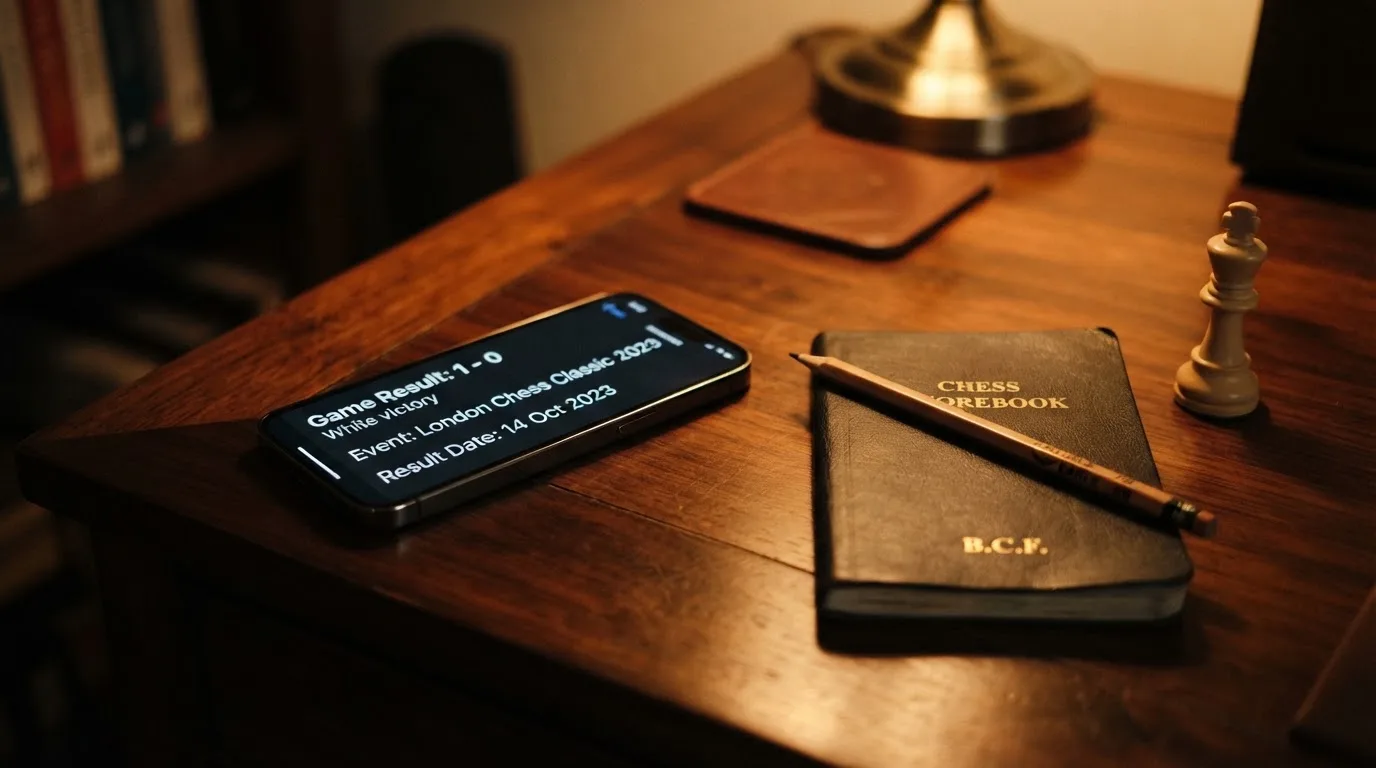
For the bettor, the practical effect is that live chess markets behave like ante-post markets with extra settlement risk. A price taken on move twenty is not repriced as the position changes; it is held until one of the agreed settlement points. Cash out on a chess market, where it is offered, is therefore a settlement before the agreed end, not an early exit on a live price. Some sites do not offer cash out on chess at all, and where they do the cash-out value is calculated from the current match-state prices rather than a live in-play feed, which means a cash-out quote can look far more generous than the same site’s cash-out on a Premier League game in the 80th minute. That generosity is not a bonus, it is the absence of the live data the site would otherwise discount for.
On the bookmakers in this guide, the practical question is whether the in-play tab for a chess match is built from a manual trading desk or from an automated price model. Neither is published in the offer terms, and the only reliable way to tell is to look at how many markets appear and how often the prices refresh during a session. Two of the ten brands in this comparison do not carry a live chess market at all in the period checked; four offer a small set of in-play markets on the headline World Championship match only, and the remainder price the match pre-game and offer a limited in-play page once the clock has started. Cash out on a chess selection is offered by fewer of the ten, and where it is offered the value is a manual quote rather than a live tick.
The cost of this thinness is hard. A live market with one trader behind it has a wide spread, because there is no competing price on the same selection on the same site. A market with two traders on two sites still has a wider spread than a market with twenty traders on twenty sites. The bookmaker’s margin, the percentage of every pound staked that the book keeps before paying out, is structurally higher on thinly traded events. The section on bet types and odds below goes through what that margin looks like in numbers, but the headline is that a 1X2 market on a chess match is rarely better than 5% overround, and 8% to 10% is more common in this sport than in football or horse racing.
For someone who wants to bet on chess live, the practical advice is short. Read the in-play tab before the event to see what is actually on offer. Treat any “live” chess market with fewer than four or five selections as a manually priced page, not a feed. Take cash-out quotes with the same scepticism applied to a free bet — the headline is what the book offers, the small print is what the bettor accepts. And where the operator’s site does not carry a live chess market, do not assume it will appear in time for the next event; check the next match, not the current one.
What “in-play” means when the sport is chess
In-play on a football match is a price that updates with every pass. In-play on a chess match is a price on the next settled point — the next time control, the next adjudication, the result of the next game in a series. The difference matters because it changes what a bet on move twenty actually means. On football, a bet on the next goal is a bet on an event in real time. On chess, a bet on the result at move forty is a bet on a checkpoint, and the bookmaker settles it there regardless of how the next ten moves play out.
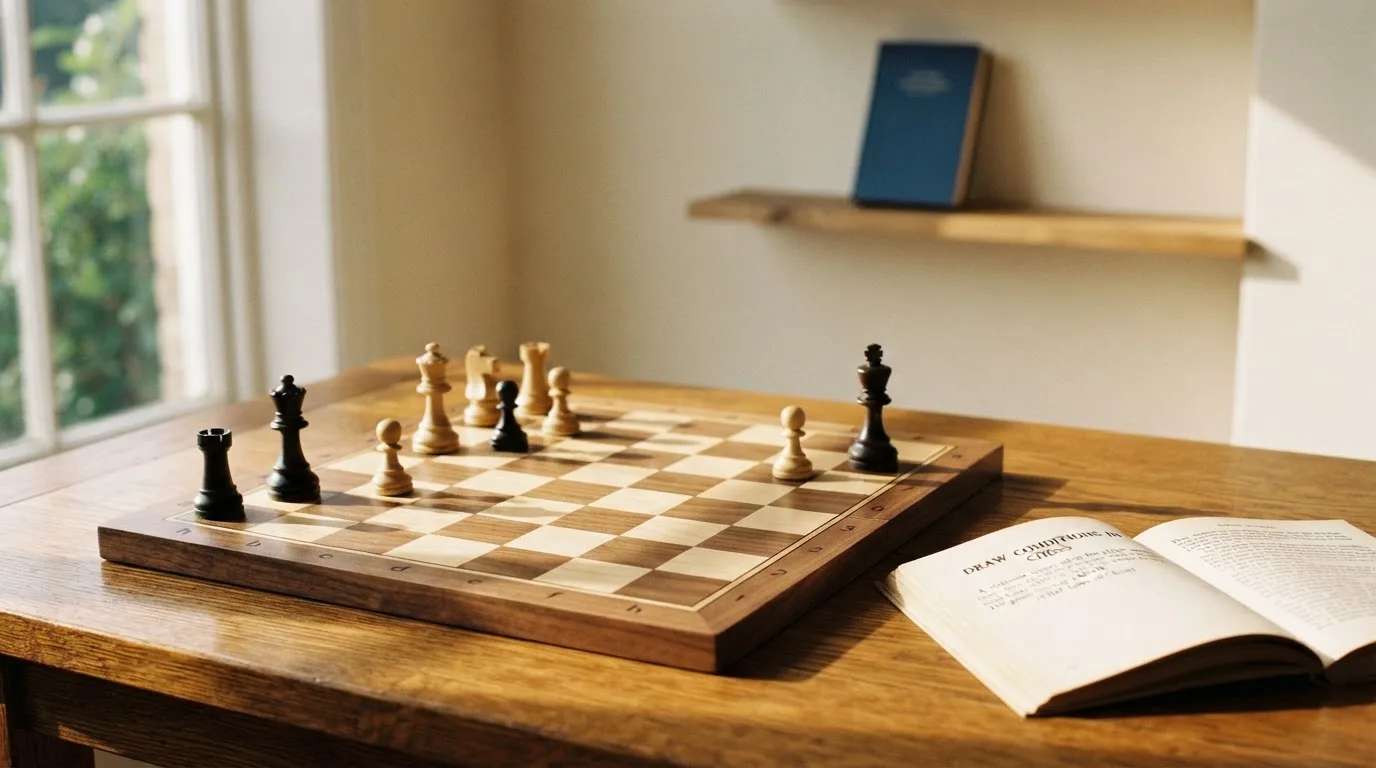
The longer the gap between settlement points, the more a chess in-play market behaves like a pre-game market with a delayed pay-off. For bettors used to football, the pace is unfamiliar. For bettors used to ante-post horse racing — where a price is taken days before the race and settled on the result — the model is closer, and the rule is the same: a price is a contract, and the contract settles on the day, not on the bettor’s view of the position.
Predictions, tips and strategy: what the analytics page is worth
A chess betting tip is the result of one of three processes, and the cost of believing it depends on which. The first is a model: an engine that takes an Elo rating, a head-to-head record, a recent form line and a time-control adjustment, and produces a probability for White, Black and a draw. The second is a tipster: a person with a public record, paid or unpaid, who writes a line under each match. The third is editorial: a bookmaker’s own preview page, written by a content team and published next to the market. Each carries a different price and a different cost.
A model’s price is free at the point of use, and the model itself is rarely published. Where it is published, on platforms like 538 or a dedicated chess-statistics site, the model is reproducible and the bettor can compare the model’s probability to the bookmaker’s implied probability and see whether the price is worth taking. Where the model is not published, the tip is a number without a method, and the bettor is asked to take the number on trust. That is the same trust the bettor is asked to place in a tipster, and it costs the same to place.
A tipster’s price is a subscription, which is the tipster’s living, or a free channel monetised by an affiliate link to a bookmaker. The free channel’s incentive is to send the bettor to a bookmaker, not to win the bet, and the tip is a marketing artefact. A subscription tipster has a different incentive — the subscriber can leave — but the public record is rarely long enough to draw a meaningful line through, and a tipster with a 52% strike rate over 200 selections can still be a losing proposition once the bookmaker’s margin is taken out of every selection.
The editorial preview is the cheapest and the worst. The bookmaker pays the writer, the writer’s job is to put a stake in front of the customer, and the preview is calibrated to the offer the bookmaker is running that week, not to the price. A preview that ends with “back Magnus Carlsen at 1.83 with BetMGM” is not analysis, it is marketing in the shape of analysis, and the cost of reading it as analysis is the bettor’s stake.
The strategy that costs the least is the one that does no more than the bookmaker’s own price implies. A match at 1.90 / 1.90 implies a 52.6% chance for each side, and a 4.8% margin if the draw is the only other outcome. If the bettor’s own model gives White a 55% chance, the price is worth taking in isolation; if the model gives White a 50% chance, the price is not worth taking. The work of the strategy is the work of the model, not the work of the tipster. The section on margins below shows what the same calculation looks like in numbers.
For a bettor who wants the work done for them, the practical advice is to look at the gap between the model’s probability and the bookmaker’s implied probability on every selection, not the headline tip. Where the gap is wide, the price is worth a look. Where the gap is narrow, the tip is the same as a coin flip dressed in prose. And where the tipster is paid by a bookmaker, the gap is rarely published at all.
Why a “lock” is never a lock
A line on a chess match is a probability dressed in a price. The bookmaker’s price is a probability minus a margin, and the bettor’s price is the bettor’s own probability minus the bettor’s own error. A 1.90 line is a 52.6% probability before the margin, and a 55% bettor probability becomes a 2.1% edge on the bet. That edge is real, and it is small, and it does not survive a single bet on its own — it is the average edge over many bets, and the bettor’s job is to find a thousand of them, not one.
A tipster who calls a 1.90 line a “lock” is either selling certainty the bookmaker does not sell, or selling certainty the tipster does not have. Either way, the cost is the same — the bettor’s stake, taken on a price the bettor’s own model would not have taken.
Bet types, odds and the bookmaker’s margin
Chess betting markets fall into three families, and each carries its own margin. The first is the match result, a three-way line on White, Black or a draw, settled after the final game of the match. The second is the series result, a line on who wins the match overall, settled after the final game of the last game of the series. The third is the specials — total games over or under a number, first-game result, whether the series goes to a tiebreak, whether a named player wins on a particular day. Each is priced on its own margin, and the margin on the specials is consistently higher than the margin on the match result.
A match result at decimal odds of 1.90 / 1.90 / 4.50 — a line of roughly even-money on White and Black, with a long draw — implies a payout share of about 95.2% and a margin of about 4.8%. A match result at 1.83 / 1.83 / 4.00 implies a payout share of about 94.0% and a margin of about 6.0%. The numbers are illustrative rather than quoted, but they sit inside the band a UK-licensed bookmaker would typically post on a World Championship match, and the same match on the same day can carry a margin anywhere in the 4% to 8% range depending on the operator.
The illustrative calculation behind that band is straightforward. Take a two-way market at decimal odds 1.90 and 1.90. The implied probability of each side is 1 ÷ 1.90, which is 52.6%, and the two probabilities add to 105.3%. The excess over 100% is the overround — 5.3% on this illustrative line. Where the two prices are 1.83 and 1.83, the implied probability of each side is 54.6%, and the two add to 109.3%, an overround of 9.3% on this illustrative line. The narrower the price the bettor takes, the larger the overround, and the harder the bettor has to work to overcome it.
A more useful worked example is a three-way chess market at 1.90 / 1.90 / 4.50. The implied probabilities are 52.6%, 52.6% and 22.2%, and they add to 127.4%. The margin is 27.4%, but this overstates the case because the three prices are not independent. The fair probabilities for an even match with a long-shot draw are 47.4% / 47.4% / 5.2%, which gives a payout share of 1 ÷ (1 ÷ 1.90 + 1 ÷ 1.90 + 1 ÷ 4.50) = 1 ÷ (0.526 + 0.526 + 0.222) = 1 ÷ 1.275 = 78.4%. The margin is 100% − 78.4% = 21.6% on this illustrative line, and the gap to the two-way market is the cost the bookmaker charges for offering a draw at all.
The headline rule, in plain prose: a 1.90 / 1.90 / 4.50 illustrative chess market carries a margin in the low twenties of percent; a 1.90 / 1.90 illustrative two-way market carries a margin in the low single digits; the same bookmaker can run both on the same match, and the bettor who picks the two-way market pays a lower margin per bet than the bettor who picks the three-way.
For a £10 stake at 1.90, a winning bet returns £19 — the £10 stake plus £9 of profit, where the profit is the £10 stake multiplied by the odds minus one, or £10 × (1.90 − 1) = £9. The full return is £10 × 1.90 = £19, and the payout share on the same market applies to the profit, not the stake. A losing bet returns nothing, the stake is gone, and the margin is what the bookmaker keeps from the pool of losing and winning bets combined.
The cost of a bet is therefore two numbers, not one. The first is the stake, which the bettor chooses. The second is the margin, which the bookmaker chooses, and which sits inside every price the bookmaker posts. The bettor who takes a 1.90 line pays 5.3% of every pound staked to the bookmaker, before the bet is even decided, and the bettor who takes a 1.83 line pays 9.3% of every pound staked. The arithmetic is the same on every sport, but the absolute margin is higher on chess because the market is thinner, and the gap between the best and worst price on the same match is wider on chess than on football.
How the margin is read in a price
A 1.90 line is a 52.6% chance. A 2.00 line is a 50.0% chance. A 1.83 line is a 54.6% chance. The numbers are tidy, and the bettor can read them without a calculator. Where the bet gets expensive is when the bookmaker prices the same outcome at 1.83 on one site and 1.95 on another — the difference is 1.6 percentage points of implied probability, and on a £100 stake it is £12 of expected return before the bet is decided.
The practical advice is to compare the line on the same match across as many of the licensed bookmakers in this guide as carry chess, and to back the line that is highest on the side the bettor wants. The bookmaker with the thinnest margin is the one whose price the bettor wants, and the price is the only number that matters once the bettor has decided which side to take.
Sports and tournaments: what a GB bookmaker actually covers
Chess on a GB-licensed sportsbook is a thin market by football standards, and a thick one by, say, lacrosse. The World Championship match is the headline event and every operator in this guide carries it, typically with a match-result market, a series-result market and a small set of specials. The Candidates Tournament sits below the World Championship, and the operators that carry it are fewer — typically four to six of the ten in any given cycle, and the market is the same three-way line on each game plus an outright on the tournament winner. The Grand Chess Tour, the main club-level rapid and blitz events, and the national championships of the larger federations are sporadically covered, and a dedicated chess bookmaker or specialist site will carry more of them than a generalist.
The schedule of major events in 2026 is anchored by the World Championship cycle. Gukesh Dommaraju won the title in 2024, and the next match sits in the calendar where the FIDE cycle places it. Where the cycle is between matches, the headline event is the next Candidates Tournament, and the next Candidates winner is the one the bookmakers will price as the favourite to take the next World Championship. The dates of those events are not part of this page’s research, and the bettor who wants the schedule should look at the FIDE Handbook rather than a bookmaker’s preview.
A chess match under FIDE rules is played to a decision unless one of the draw conditions is reached. A draw by agreement is exactly that — both players agree. A draw by stalemate is a position where the player to move has no legal move and is not in check; the game ends, and the result is a draw. A draw by threefold repetition is a claim by a player that the same position has occurred three times, with the same player to move and the same options; since 2014, fivefold repetition ends the game automatically without a claim. A draw by the fifty-move rule is a claim by a player that no pawn has been moved and no capture has been made in the last fifty moves; since 2014, seventy-five moves without a pawn move or capture ends the game automatically. The bookmaker’s match-result market prices the draw on the chance the game ends in one of these conditions before the end, and the price is higher the shorter the time control.
The tournaments a bettor will see priced in 2026 on a GB-licensed site are therefore the ones where the FIDE cycle produces a market — the World Championship, the Candidates, the major opens, and a small selection of rapid and blitz events. The bettor who wants to bet on club-level play, online league play, or the lower-tier national championships will find little on a generalist sportsbook, and will do better on a dedicated chess betting site. The risk on a dedicated site is the licence: a GB-licensed operator carries a Gambling Commission licence and is bound by the LCCP; a Curaçao-licensed specialist is bound by Curaçao and is not subject to the British protection regime. The section on legality below goes through what that gap costs.
Why the headline match is the cheapest chess bet
A bookmaker’s margin falls as the number of competing prices rises, and the headline chess match is the chess event with the most competing prices. Two operators quoting the same match is a market; ten is a competitive market; one is a price. The bettor who wants the lowest margin on a chess bet takes the headline match, and the bettor who wants a bet on a club-level rapid event pays a wider spread for the privilege.
The cost of a thin market is the same in every sport. The cost of a thin market in a sport the bettor knows less well than the bookmaker is higher again, because the bettor’s edge is harder to find. Chess is a sport where the bettor’s edge comes from a model, not from a feel for the form, and the bettor who does not run a model is paying the bookmaker’s margin on top of the bookmaker’s information advantage.
The ten licensed bookmakers compared
The table below lists the ten Gambling Commission-licensed remote operators that carry chess markets in 2026, with the licence number, the licence holder named on the Commission register, and the operator’s own statement on the offer subject. The licence number is what the bettor checks on the Commission’s public register before opening an account; the licence holder is the company named on that register; the offer column is the headline of the operator’s own welcome terms. The table is sorted in the order the operators are reviewed below.
| Brand | Gambling Commission remote licence and holder | Operator’s own terms on the headline offer |
|---|---|---|
| Midnite | Account 101839 (Midnite Limited) | Bet £5+ at evens (2.0) or greater within 14 days of sign-up, get £25 in free bets and 50 free spins, free bets valid 7 days |
| Tote | Account 54779 (TDCO Limited) | Pool-betting product with no fixed-odds welcome in the snapshot; SP-based settling on racing |
| BetGoodwin | Account 2927 (Goodwin Racing Limited) | “Bet £10 & Get £15 in Free Bets” — £5 sports, £5 acca, £5 Sub-Cover |
| Sky Bet | Account 67370 (SBG Sports Limited) | Free bets expire 30 days after crediting, single or each-way only, no multiples, non-withdrawable, stake not returned |
| Unibet | Account 45322 (Platinum Gaming Limited, Gibraltar) | Bet £20 at minimum odds 2.0 (1/1), get £40 in free bets, free bets expire 7 days, debit card or instant bank transfer |
| bet365 | Account 55148 (Hillside (UK Sports) ENC) | Bet Builder+ on one event pre-match or in-play, Super Boosts and daily Bet Boosts |
| 10bet | Account 43173 (Blue Star Planet Limited) | Cash out, Bet Builder and Live Streaming on the sportsbook; football, tennis and horse racing on the headline sports list |
| Betfred | Account 39544 (Petfre (Gibraltar) Limited) | 21 sports plus over 2,000 casino-style games on the app |
| BetMGM | Account 39198 (LeoVegas Gaming PLC) | Deposit £10+ and bet within 7 days, four £10 free bets (two football accas 4+, two sports multiples 2+), free bets valid 7 days |
| NetBet | Account 39170 (Netbet Enterprises Limited) | Daily Boosts, Profit Boosts and free bet offers, Bet Builder with instant dynamic odds, sports stats for major leagues |
The licence holders are the legal names on the Commission’s register, not the trading names the customer sees. Midnite Limited, for example, is the company behind the Midnite brand; Hillside (UK Sports) ENC is the company behind the bet365 brand. Where two brands share a licence holder — for instance the Ladbrokes and Coral brands under Entain — the bettor is dealing with one operator, not two, and the offer terms on the two brands can differ. None of the brands in this table share a licence holder with another brand in the table, so each entry is a separate operator for the purpose of the comparison.
The free-bet terms in the right-hand column are the headline of each operator’s own welcome page, and the conditions attached to them are the conditions the bettor accepts on sign-up. The £25 of free bets at Midnite is a £25 stake returned only as winnings — the stake is not paid back, and the free bets expire 7 days after they are credited. The £40 of free bets at Unibet expires 7 days after issue and is paid back as winnings only. The £15 of free bets at BetGoodwin is split across three bet types, each with its own market restriction. The four £10 free bets at BetMGM must be used in seven days, on the bet types named, and a minimum-odds clause applies. Sky Bet’s free bets are the most restrictive on the table — single or each-way only, no multiples, no virtuals, no stake return, 30 days. Tote runs pool betting rather than fixed odds, and the welcome page does not include a fixed-odds free bet in the snapshot.
The Betfred, bet365, 10bet and NetBet columns in the table are not welcome offers — they are the app or product features the operator’s own page highlights. The bettor who wants the welcome bonus is reading the wrong column on those four rows, and the bettor who wants the product feature is reading the wrong column on the other six. Both are valid; they are not the same thing.
Midnite
Midnite is the youngest of the ten brands in the table, and the one with the most concentrated welcome offer: a £5 qualifying bet at evens (2.0) or greater brings £25 in free bets and 50 free spins, with the free bets expiring 7 days after they are credited. The site carries an acca builder, popular accas, price boosts with maximum-stake limits and an in-play tab across the major sports, and the operator is licensed via a Gambling Commission account held by Midnite Limited. The free-bet stake is not returned with a win, and the qualifying bet must be placed within 14 days of sign-up. The expiry is the binding term — a bettor who leaves the free bets unplaced past day 7 has paid the qualifying stake for nothing, and the headline £25 is a £25 stake that returns only winnings.
The fit for chess is the price boosts and the acca builder, both of which translate to a chess match. The price boost is a single-line product — a boosted price on a specific outcome — and the acca builder is irrelevant for a single chess game. The bettor who wants the welcome offer is taking a £5 qualifying bet on a chess match at 2.0 or greater, not the football acca the offer is calibrated against.
The cost of the offer is in the headline price. A £5 qualifying bet at 2.0 returns £10, of which £5 is stake returned and £5 is profit. The £25 of free bets is £25 of stake that returns only winnings, and a £25 free bet wagered at 1.90 on a 5% margin chess market is worth about £10.30 on average — not £25, and not £25 minus the stake. See the section below for a breakdown of these numbers.
Tote
Tote is the pool-betting brand of the UK horse-racing tradition, and it is the only operator in the table that does not run a fixed-odds sportsbook in the snapshot. This brand’s activity is authorised by a Gambling Commission account held by TDCO Limited, and the product is a pool — the bettor takes a price set after the race or match, not a fixed price before it, and the payout is a share of the pool after the operator’s take. For chess, that means a Tote market on a chess match is rare in the period checked, and a Tote welcome offer in the snapshot is not a free-bet package.
The fit for chess is limited. A bettor who wants to bet on a chess match on a UK-licensed site has nine other operators to choose from in this table, and Tote is the outlier. The fit for pool betting on horse racing is what Tote is for, and the licence is the licence of a racing-facing operator rather than a sportsbook.
The verdict on Tote is that it is listed on the Commission’s register and is included in this comparison, but the chess market is not the core reason for its presence. The bettor who wants a chess bet takes one of the fixed-odds brands below, and the bettor who wants a Tote bet takes a Tote bet on a Tote product.
BetGoodwin
BetGoodwin is a Goodwin Racing Limited brand, and the welcome offer is a £15 free-bet package on a £10 qualifying bet — £5 of sports free bet, £5 of acca free bet, £5 of Sub-Cover free bet. The Sub-Cover product is a Goodwin racing-specific product and is not a chess product, so the bettor who wants the full £15 of free bets has to use two of the three on a chess or sports market and one on a Sub-Cover market. The operator’s remote permissions come from a Gambling Commission account held by Goodwin Racing Limited.
The fit for chess is the £5 sports free bet, which can be staked on a chess match at minimum odds the operator’s own terms set. The acca free bet cannot be used on a single chess game, because an accumulator requires more than one selection. The Sub-Cover free bet cannot be used on chess, because Sub-Cover is a horse-racing product. The bettor who wants the welcome package on chess is taking the £5 sports free bet, and the bettor who wants the full £15 is betting on a Sub-Cover market as well.
The cost of the offer is in the structure. A £10 qualifying bet at the operator’s minimum odds returns the stake plus a small profit, and the £15 of free bets is £15 of stake that returns only winnings. The Sub-Cover free bet is the awkward one, and a bettor who does not want to bet on horse racing is leaving £5 of the headline on the table. The arithmetic for these values is explained later in this guide.
Sky Bet
Sky Bet’s free-bet terms are the most restrictive on the table. The free bets expire 30 days after crediting, can be used only on single or each-way markets, exclude virtuals, are non-withdrawable, and do not return the stake with winnings. Multiples are excluded, which means an acca free bet at Sky Bet is a single-line or each-way product only. This operator is under the Gambling Commission account held by SBG Sports Limited, and the brand is part of the Sky Betting and Gaming group.
The fit for chess is the single-line free bet. A chess match market at Sky Bet is a single-line market, and the free bet can be used on it. The expiry of 30 days is generous against the 7-day expiry at Midnite, Unibet and BetMGM, and the bettor who leaves the free bet unplaced past day 30 has paid the qualifying stake for nothing.
The cost of the offer is in the restrictions. A £5 free bet on a chess market with a 5% margin, taken at 1.90, is worth about £2.06 on average, and a £10 free bet on the same line is worth about £4.12. The section on free-bet value below goes through the arithmetic. The headline free-bet amount is the stake, not the value, and the bettor who reads the headline as a credit is reading the wrong number.
Unibet
Unibet has been operating since 1999, and the UK site is run by Platinum Gaming Limited, a Gibraltar-incorporated company, under Gambling Commission account 45322. The welcome offer is “Get £40 in Free Bets when you bet £20” — a £20 deposit and sports bet at minimum odds of 2.0 (1/1), with the free bets expiring within 7 days of issue. The bet must be placed through a debit card or instant bank transfer, and the offer is for new GB customers.
The fit for chess is the £40 of free bets on a single-line chess market, with the 7-day expiry applying. The minimum odds of 2.0 are lower than the price of a heavy favourite in a chess match, so the qualifying bet can be on the favourite or the underdog. The licence is the same licence that covers the rest of the Unibet product, and the Gibraltar incorporation is the standard structure for a UK-facing remote operator under the Gambling (Licensing and Advertising) Act 2014.
The cost of the offer is in the qualifying bet. A £20 qualifying bet at 2.0 returns £40, of which £20 is stake returned and £20 is profit. The £40 of free bets is £40 of stake that returns only winnings, and the value of the free bets depends on the price the bettor takes them at and the margin of the market.
bet365
bet365 is the official global betting partner of the UEFA Champions League, and its app is described as the most downloaded sports betting app in the UK. The operator holds a Gambling Commission account held by Hillside (UK Sports) ENC, and the welcome offer in the snapshot is not a free-bet package — it is the product feature list: Bet Builder+ (combining markets from one event into a single bet, available pre-match and in-play), Super Boosts, Winnings Boosts on Bet Builders and selected singles, and daily Bet Boosts. In-play betting and live streaming of events worldwide are core to the bet365 product, and Bet Track, Match Live and a Live Golf Tracker are part of the in-play suite.
The fit for chess is the in-play feed and the Bet Builder+. A chess match on bet365 is a small page rather than a large one — the headline match carries a match-result market, a series-result market and a handful of specials — but the in-play tab updates during the match and the cash-out value is calculated from the live price. The Bet Builder+ is irrelevant for a single chess game in the same way it is irrelevant for a single tennis match: a builder needs more than one market from the same event, and a chess event typically has one or two markets, not the six or seven a football match carries.
For bet365, the chess market is supported by the operator’s deep in-play sportsbook, which is among the most comprehensive in this comparison. While chess remains a thinner market than football, the bettor looking for a high-frequency in-play experience will find bet365’s interface and cash-out functionality well-suited to the game’s pace.
10bet
10bet is a Blue Star Planet Limited brand, and the sportsbook covers football, tennis and horse racing on the headline sports list, with Cash out, Bet Builder and Live Streaming on the product feature side. The company operates via a Gambling Commission account held by Blue Star Planet Limited, and the app description in the snapshot does not include a welcome free-bet package — the offer is the product features rather than a sign-up bonus.
The fit for chess is the Bet Builder, which works on a single chess match only if the operator has priced more than one market on the same match. Where 10bet has priced a match-result market and a total-games market on the same match, the Bet Builder can combine them. Where the operator has priced only the match-result market, the Bet Builder is a single-line product and is the same as a single bet.
10bet provides a generalist sportsbook focused heavily on football and racing; consequently, its chess market is an auxiliary feature. Bettors seeking a specialist chess environment will find the market smaller here than at the larger-scale operators, though the product suite functions reliably for those who do not require extensive in-play options.
Betfred
Betfred is a Petfre (Gibraltar) Limited brand, and the app covers 21 sports plus over 2,000 casino-style games. The operator works under a Gambling Commission account held by Petfre (Gibraltar) Limited, and the welcome offer in the snapshot is the breadth of the product rather than a free-bet package. Betfred is a high-street bookmaker with a long UK history, and the Gibraltar incorporation is the standard structure for a UK-facing remote operator.
The fit for chess is the sportsbook. A chess match at Betfred is a small page — the headline match carries a match-result market and a handful of specials — and the in-play tab is less developed than at bet365. The bettor who wants a single-line chess bet at minimum odds on a UK-licensed site has the same product at Betfred as at most of the other nine.
Betfred leverages its long-standing high-street heritage to offer a familiar sports betting interface. While chess is available, it is not the primary focus of the platform, meaning those already using Betfred for other sports will find the chess offering sufficient, whereas a bettor strictly looking for dedicated chess features may prefer exploring other sportsbooks.
BetMGM
BetMGM is a LeoVegas Gaming PLC brand, and the welcome offer is four £10 free bets (two football accas of 4+ selections and two sports multiples of 2+) on a £10+ deposit and a sports bet within 7 days. This brand operates under a Gambling Commission account held by LeoVegas Gaming PLC, and the free bets are valid for 7 days with minimum odds and an opt-in. Two of the four free bets are acca products and cannot be used on a single chess game; two are sports multiples of 2+ selections, which means a chess bet plus a bet on another sport.
The fit for chess is the multiples. A chess bet plus a football bet on the same slip is a multiple, and the free bet can be used on it. The acca free bets cannot be used on chess, because a chess acca is not a product BetMGM prices. The bettor who wants the full £40 of free bets has to use the multiples, and the bettor who wants only the multiples has to bet on two sports at once.
The cost of the offer is in the structure. A £10 qualifying bet at the operator’s minimum odds returns the stake plus a small profit, and the £40 of free bets is £40 of stake that returns only winnings. The acca free bets are the awkward ones, and a bettor who does not want to bet on football is leaving £20 of the headline on the table. This offer’s value is calculated fully in the section that follows.
NetBet
NetBet is a Netbet Enterprises Limited brand, and the sportsbook carries Daily Boosts, Profit Boosts and free bet offers, a Bet Builder with instant dynamic odds, and sports stats for major leagues. The company operates under a Gambling Commission account held by Netbet Enterprises Limited, and the welcome offer in the snapshot is the product features rather than a free-bet package. The Bet Builder with instant dynamic odds is a product feature, and the boosts are price enhancements on selected markets.
The fit for chess is the Bet Builder. As at 10bet, the builder works on a chess match only if the operator has priced more than one market on the same match. Where NetBet has priced a match-result market and a total-games market on the same match, the builder can combine them. The boosts on NetBet are typically on football and the major sports, and a chess boost is rare in the snapshot.
NetBet follows a standard generalist model with a clear emphasis on football, leaving chess as a peripheral market. The experience is consistent for those familiar with similar sportsbook layouts, but users prioritizing specific chess betting depth may find more extensive options elsewhere among the ten brands reviewed.
Where online chess betting stands in Great Britain
Online chess betting in Great Britain sits inside a market that is not separately licensed. The Gambling Commission licenses the activity — remote general betting standard (real events) — and the activity covers chess in the same way it covers football, tennis and horse racing. There is no Commission list of permitted sports or markets, no separate “chess betting” licence, and no carve-out for board games. A bookmaker offering chess markets does so under its general remote betting licence, and the markets are governed by the operator’s own house rules and the Commission’s Licence Conditions and Codes of Practice.
The practical consequence is that the chess market on a UK-licensed sportsbook is governed by the same rules as the football market. Age verification before the first deposit, identity checks before the first bet, GAMSTOP self-exclusion on the operator’s site, the £150 rolling-30-day financial vulnerability check from 28 February 2025, the 10x wagering cap on bonuses from 19 January 2026, and the credit card ban from 14 April 2020 all apply to a chess bet in the same way they apply to a football bet. The bettor who has an account at a UK-licensed bookmaker has the same protections on a chess market as on a football market, and the bettor who bets on an unlicensed site has none of them.
The financial frame is the same. General Betting Duty is the operator’s tax, currently 15% on gross profits, rising to 25% on remote bets from 1 April 2027 (with UK horse racing, pool betting, self-service betting terminal bets and in-person betting staying at 15%). The player pays no tax on betting winnings in Great Britain — a chess bet is a bet like any other — and a professional gambler is a tax question for HMRC, not a Commission question. Whether operators pass duty on through odds is not established, and a bookmaker who claims “no tax on winnings” is repeating a general truth that does not bind the odds the bookmaker posts.
The advertising frame is the same. The CAP Code and the BCAP Code apply to chess marketing in the same way they apply to football marketing, the 10x bonus cap applies to a chess welcome offer in the same way it applies to a football welcome offer, and the “whistle-to-whistle” industry code applies to live chess marketing in the same way it applies to live football marketing — though chess is rarely broadcast live in the UK, the rule bites on streamed events and on social media during a live event. The Premier League clubs’ withdrawal of gambling sponsorship from the front of matchday shirts is a Premier League decision, not a chess decision, and the chess calendar is unaffected.
The cost of the licence is the same. A UK-licensed bookmaker pays the Commission’s fees, the LCCP compliance costs, the GAMSTOP integration, the identity-check infrastructure, the financial vulnerability check process, and the dispute-resolution arrangements through an approved ADR body. The unlicensed brand pays none of these, and the saving is reflected in the offer — typically a higher bonus, a looser verification process, a wider range of payment methods, and a faster sign-up. The cost of those savings is the protections, and the protections are what the bettor gives up by betting on an unlicensed site.
The minimum age is 18, and the verification is on sign-up. A bettor who cannot pass the age and identity check cannot open an account at a UK-licensed bookmaker, and a free bet is no exception — the Commission has held since 7 May 2019 that the verification is required before any deposit or any gamble, including a free bet or a bonus. The unlicensed site does not run the same check, and the bettor who wants anonymity is on the unlicensed site, not the licensed one.
Responsible gambling on a UK-licensed chess betting site
GAMSTOP is the national multi-operator self-exclusion scheme, and it is a mandatory licence condition for every online operator in this guide. A bettor who registers with GAMSTOP is excluded from every UK-licensed online bookmaker for the period chosen — six months, one year, five years, or five years with auto-renewal — and after the minimum period the exclusion stays in place for a further seven years unless the bettor asks GAMSTOP to remove it. The exclusion covers online sites and apps, and the high-street bookmaker shops run a separate self-exclusion service. A chess bet placed with a UK-licensed operator is covered by the same GAMSTOP registration as a football bet.
The financial vulnerability check applies when a customer’s deposits minus withdrawals exceed £150 in a rolling 30-day period. The check is a public-record check — bankruptcy, county court judgments, similar registers — and it is not an income check and not a credit reference check. The check has been in force for licensed remote betting since 28 February 2025, and it applies to a chess bet in the same way it applies to a football bet. Where the check is triggered, the operator is required to take a closer look at the customer’s gambling, and the customer may be asked for source-of-funds information. The check is not a customer-initiated action — it is operator-initiated — and the bettor who crosses the threshold is checked without applying to be checked.
Deposit limits are a customer-set control, not a state-set ceiling. The Commission’s Remote Technical Standards (RTS 12) require operators to offer a gross deposit limit on a fixed time frame, and the bettor sets the limit. There is no state-set maximum, and the limit is the bettor’s choice, not the operator’s. The first changes under RTS 12 have applied since 31 October 2025, a second phase was postponed to 30 September 2026, and whether it is live is not established in the snapshot. The bettor who wants a deposit limit sets one on the operator’s responsible-gambling page, and the bettor who wants no limit leaves the default in place.
Stake limits are operator-set, not state-set, and there is no statutory cap on a stake in sports betting. A bookmaker may restrict a customer — reducing the maximum stake, restricting certain markets, closing the account — and the restriction is the operator’s prerogative, not the Commission’s. A chess bettor with a long losing run is more likely to be restricted than a chess bettor with a long winning run, and the restriction is the same on a chess bet as on a football bet.
Wagering requirements on bonuses are capped at 10x from 19 January 2026. A £10 bonus at 50x wagering needs £500 of bets before the bonus is withdrawable, and under the cap no more than £100 of bonus is allowed. The cap applies to fixed-odds sports betting in the same way it applies to casino betting, and a chess bet counts toward the wagering requirement. Mixed-product promotions — an offer that requires gambling on two or more product types such as betting, casino, bingo and lottery — are banned from the same date. The cap is the Commission’s, not the operator’s, and the bettor who sees a bonus over the cap is looking at an offer that is not compliant.
Help is available outside the licensed operators. GamCare runs the National Gambling Helpline, GambleAware funds treatment and research, the NHS runs gambling clinics, and Gamblers Anonymous runs peer-support meetings. The Commission’s public register lists an approved ADR body for each licensed operator, and a complaint that cannot be resolved with the operator can be escalated to the ADR. The unlicensed operator has no ADR, no Commission complaints route, and no British consumer redress, and a bettor with a complaint against an unlicensed site has no British route to resolve it.
The cost of responsible gambling is the cost of the licence, and the bettor pays it through the odds. The licensed bookmaker’s odds reflect the LCCP compliance, the GAMSTOP integration, the identity-check infrastructure, the financial vulnerability check process and the dispute-resolution arrangements. The unlicensed bookmaker’s odds reflect none of these, and the bettor is not paying the cost of the protections on the unlicensed site. The trade is between price and protection, and the bettor who values one over the other has a clear answer.
The mobile and app experience of chess betting
A chess betting app is a sportsbook app with a chess tab, and the experience of the app is the experience of the sportsbook rather than the experience of chess. The bettor who wants a chess bet on a mobile device opens the app, finds the chess tab under the sports list, selects the match, and places the bet on the betting slip. The flow is the same on every UK-licensed app in the comparison, and the differences are in the in-play tab, the cash-out page, the bet builder and the live streaming.
bet365’s app is the most downloaded sports betting app in the UK, and the in-play feed on the bet365 app is the deepest in the comparison. A chess match on the bet365 app is a small page — the headline match carries a match-result market, a series-result market and a handful of specials — but the in-play tab updates during the match and the cash-out value is calculated from the live price. The Bet Builder+ is part of the app, and the live streaming of events worldwide is part of the app, though live streaming of chess is rare in the snapshot.
Betfred’s app covers 21 sports plus over 2,000 casino-style games, and the app is published by Done Brothers (Cash Betting) Ltd. The chess market here is secondary, and the live interface differs from the market-leading depth found at bet365. The bettor who has a Betfred account from the high street has a familiar place to place a chess bet, and the bettor who is choosing an app for chess alone has no particular reason to choose Betfred over the other nine.
10bet’s app covers football, tennis and horse racing on the headline sports list, with Cash out, Bet Builder and Live Streaming on the product feature side. The chess market here is secondary, and the live interface differs from the market-leading depth found at bet365. The bettor who wants a Bet Builder on a chess match has the same product at 10bet as at most of the other nine.
NetBet’s app carries Daily Boosts, Profit Boosts and free bet offers, a Bet Builder with instant dynamic odds, and sports stats for major leagues. The chess market here is secondary, and the live interface differs from the market-leading depth found at bet365. The bettor who wants a Bet Builder on a chess match has the same product at NetBet as at most of the other nine.
Midnite’s app carries an acca builder, popular accas, price boosts with maximum-stake limits and an in-play tab across the major sports. The bettor who wants a price boost on a chess match has the same product at Midnite as at most of the other nine.
Sky Bet’s app is part of the Sky Betting and Gaming group, and the free-bet terms — single or each-way only, no multiples, 30-day expiry — apply on the app in the same way they apply on the desktop site.
Unibet’s app carries the same product as the desktop site, with the welcome offer of “Get £40 in Free Bets when you bet £20” available on the app for new GB customers using a debit card or instant bank transfer.
BetMGM’s app carries the same product as the desktop site, with the welcome offer of four £10 free bets on a £10+ deposit and a sports bet within 7 days.
Tote is the outlier. The Tote product is pool betting rather than fixed odds, and the Tote app is a pool-betting app rather than a sportsbook app. The chess market on the Tote app is rare in the snapshot, and the bettor who wants a chess bet on a mobile device has nine other operators to choose from.
Lottoland UK is a casino, lottery betting, sports betting and scratchcards app, and the chess market is not a headline product. Lottoland is not in the comparison table because the licence is not a remote general betting standard (real events) licence in the snapshot, and the bettor who wants a chess bet on a UK-licensed app has the ten brands above to choose from.
The cost of the app is in the data and the storage, not in the licence. A UK-licensed app is free to download, and the bettor pays for the bet through the odds and the offer terms. The unlicensed app is also free to download, and the bettor pays through the same channel. The difference is the protection: a UK-licensed app is bound by the LCCP, whereas an unlicensed app follows only the operator’s house rules and the laws of its jurisdiction.
How to read an offer’s headline against its small print
A free bet at 1.90 on a chess market with a 5% margin is worth about 47.4% of the free-bet amount on average — that is the value of the free bet to the bettor, not the headline amount. The arithmetic is the free-bet amount multiplied by the odds minus one, divided by the odds, multiplied by the payout share of the market. A £10 free bet at 1.90 on a market with a 95% payout share is £10 × (1.90 − 1) ÷ 1.90 × 0.95 = £10 × 0.474 × 0.95 = £4.50. The headline is £10, the value is £4.50, and the gap is the cost the bookmaker charges for the offer.
A £25 free bet at Midnite at 1.90 on the same market is worth about £11.25 on average. A £40 free bet at Unibet at 1.90 on the same market is worth about £18.00 on average. A £15 free bet at BetGoodwin at 1.90 on the same market is worth about £6.75 on average, and only £5 of that is on a sports market the bettor can use. A £40 free bet at BetMGM at 1.90 on the same market returns approximately £18.00 in value on average, and only £20 of the headline amount is on a multiples product the bettor can use with a chess bet.
The point of the arithmetic is not the exact figure — the value depends on the price the bettor takes the free bet at and the margin of the market the bettor takes it on. The point is that the headline of a free bet is the stake, not the value, and the value is the stake multiplied by the price-edge multiplied by the payout share. A bettor who reads the headline as a credit is reading the wrong number, and the bettor who reads the value as a guaranteed return is reading the wrong number too — the value is an average over many bets, not a guaranteed return on any single bet.
The same arithmetic applies to a deposit bonus. A 100% deposit bonus of £100 with a 10x wagering requirement needs £1,000 of bets before the bonus is withdrawable, and the cost of those £1,000 of bets is the margin on the market the bettor uses. At a 5% margin, the cost is £50, and the net value of the bonus is £100 minus £50 minus any other conditions — a minimum price on the qualifying bet, a deadline on the wagering, a cap on the bonus winnings. The Commission’s 10x cap from 19 January 2026 limits the wagering, but the bettor’s cost is still the margin on the bets the wagering requires.
The clearing rate of a free bet is the rate at which the bettor converts the free bet to withdrawable cash. A £10 free bet at 1.90 on a 95% payout market clears at £4.50 on average, and a £10 free bet at 2.50 on the same market clears at £10 × (2.50 − 1) ÷ 2.50 × 0.95 = £5.70 on average. The higher the price, the higher the value, and the price is the bettor’s choice. A bettor who takes a free bet at 1.10 is converting the free bet at a third of the rate a 1.90 line would convert it, and the bettor who takes a free bet at 5.00 is converting it at more than double the rate. The choice is the bettor’s, and the choice is the cost.
The deadline is the cost the bettor pays for delay. A 7-day expiry at Midnite, Unibet and BetMGM is a week to convert the free bet to value, and a week is short. A 30-day expiry at Sky Bet is a month, and a month is generous against the rest. The bettor who leaves the free bet unplaced past the expiry has paid the qualifying stake for nothing, and the headline is a stake that returns nothing.
The cap on winnings is a less common term on a sports free bet than on a casino free bet, but it exists. A free bet with a £100 winnings cap is a free bet that returns nothing beyond £100 of profit, and the bettor who backs a 100.00 line on a chess match is leaving the upside on the table. The cap is the bookmaker’s protection, and the bettor’s cost.
The minimum odds on a qualifying bet is a cost on the qualifying bet, not on the free bet. A £20 qualifying bet at 2.0 at Unibet returns £40 if it wins, of which £20 is stake and £20 is profit, and the bet is graded at the operator’s minimum. A £20 qualifying bet at 1.5 returns £30, of which £20 is stake and £10 is profit, and the bet is not eligible. The minimum odds are the price the bettor pays for the free bet, and a higher minimum odds means the bettor is taking more risk on the qualifying bet for the same free-bet value.
The full cost of a welcome offer is therefore the qualifying bet, the free-bet value, the deadline, the cap and the minimum odds, and the comparison is between the value of the free bet and the cost of the qualifying bet. A £5 qualifying bet at 2.0 that brings £25 of free bets is a positive expected value if the free bets are taken at a price higher than 1.90 on a market with a margin below 5%. A £20 qualifying bet at 2.0 that brings £40 of free bets is a positive expected value on the same conditions, with more qualifying risk and a higher headline. The bettor who values certainty takes the smaller qualifying bet; the bettor who values headline takes the larger one.
A worked free-bet example
A £10 free bet at 1.90 on a chess market with a 95% payout share. The expected value is £10 × (1.90 − 1) ÷ 1.90 × 0.95 = £4.50. The free bet is not paid back as a stake, so the bettor does not receive the £10 back with a win — the bettor receives the profit only, and the profit is £9 of which the bettor keeps £4.50 on average. The headline of £10 is the stake, and the value of £4.50 is the average return across many bets at the same price. The arithmetic assumes only the free-bet amount is at risk, and the bettor’s own cash is not on the line.
The same £10 free bet at 2.50 on the same market gives £10 × (2.50 − 1) ÷ 2.50 × 0.95 = £5.70. The higher the price, the higher the value, and the price is the bettor’s choice. A bettor who takes a free bet at 1.10 is converting the free bet at £10 × (1.10 − 1) ÷ 1.10 × 0.95 = £0.86, and a bettor who takes a free bet at 5.00 is converting it at £10 × (5.00 − 1) ÷ 5.00 × 0.95 = £7.60. The choice is the bettor’s, and the choice is the cost.
Frequently asked questions about online chess betting in Great Britain
Where to bet on chess?
A UK-licensed bookmaker with a remote general betting standard (real events) licence from the Gambling Commission carries chess markets when the calendar lines up — the World Championship match is the headline event, and the Candidates Tournament and a handful of rapid and blitz events sit below it. The ten brands compared on this page all hold such a licence, and the bettor’s job is to compare the price and the offer on the same match across the brands that carry it. A dedicated chess betting site may carry more events, but the licence is the bettor’s protection, and a GB-licensed operator is the standard against which a non-GB site is judged.
Can you bet on chess?
Yes, in Great Britain and at any UK-licensed bookmaker. Chess is not on a statutory list of permitted or prohibited events; a bookmaker offering chess does so under its general remote betting licence, and the markets are governed by the operator’s own house rules. The bettor must be 18 or over, the bettor’s identity is verified before the first deposit, and the bettor is bound by the GAMSTOP self-exclusion scheme if registered. Betting on chess is a bet like any other, and the same rules apply.
How to bet on chess?
Open an account with a UK-licensed bookmaker, pass the age and identity verification, find the chess tab under the sports list, select the match, choose a market (match result, series result, total games, or a special), enter the stake on the betting slip, and confirm. A winning bet returns the stake plus the profit, where the profit is the stake multiplied by the odds minus one. A losing bet returns nothing. The bookmaker’s margin sits inside every price, and the bettor pays the margin on every bet, winning or losing.
How can it be checked that a bookmaker holds a Gambling Commission licence?
The Gambling Commission’s public register is searchable by business name, trading name, domain or account number, and it is the whole test of whether a brand holds a licence. The register lists the licence type, the licence holder, the trading names, the domains, and the status. A brand on the register holds a licence; a brand not on the register does not. The register is the only place a licence is verified, and the licence number on the operator’s own page is the number to look up.
How is the return on a bet worked out from the stake and the odds?
The return on a winning bet is the stake multiplied by the decimal odds. A £10 stake at 1.90 returns £19, of which £10 is the stake returned and £9 is the profit. A £10 stake at 2.50 returns £25, of which £10 is the stake and £15 is the profit. A losing bet returns nothing. The decimal odds are the form a UK-licensed bookmaker uses by default, and the fractional form (5/1, 11/4, evens) is the traditional British form. The conversion from fractional a/b to decimal is a ÷ b + 1, so 5/1 is 6.00 and 11/4 is 3.75 and evens is 2.00.
What is the bookmaker’s margin and how can it be seen in the odds?
The bookmaker’s margin is the percentage of every pound staked that the book keeps before paying out, and it sits inside every price on a market. A two-way market at 1.90 and 1.90 has implied probabilities of 52.6% and 52.6%, which add to 105.3%; the excess over 100% is the overround, here 5.3%. A market at 1.83 and 1.83 has implied probabilities of 54.6% and 54.6%, adding to 109.3%, an overround of 9.3%. The narrower the price the bettor takes, the larger the margin, and the harder the bettor has to work to overcome it. The bettor who compares margins across bookmakers is comparing the cost of betting at each.
Tennis, darts & cue sports – Cricket betting
Content created by the «Cricket betting» team
