
Google Pay Betting Sites in Great Britain: What It Costs and Who Takes It
 Available in US
Google Pay launched on 8 January 2018, evolving from Google’s earlier Android Pay (launched 11 September 2015) and Google Wallet (launched 26 May 2011) services. It is a mobile payment method that lets punters fund a betting account with a card-linked wallet rather than typing in card details. At licensed bookmakers in Great Britain it sits inside a tightly regulated market: identity is verified before the first deposit, credit cards are banned for gambling, and any operator serving British customers needs a Gambling Commission licence. The practical question is not whether Google Pay works in Britain. It is which bookmakers accept it, what minimum deposit they set, what fees are attached, and how the welcome offer stacks up once you understand the rules behind it.
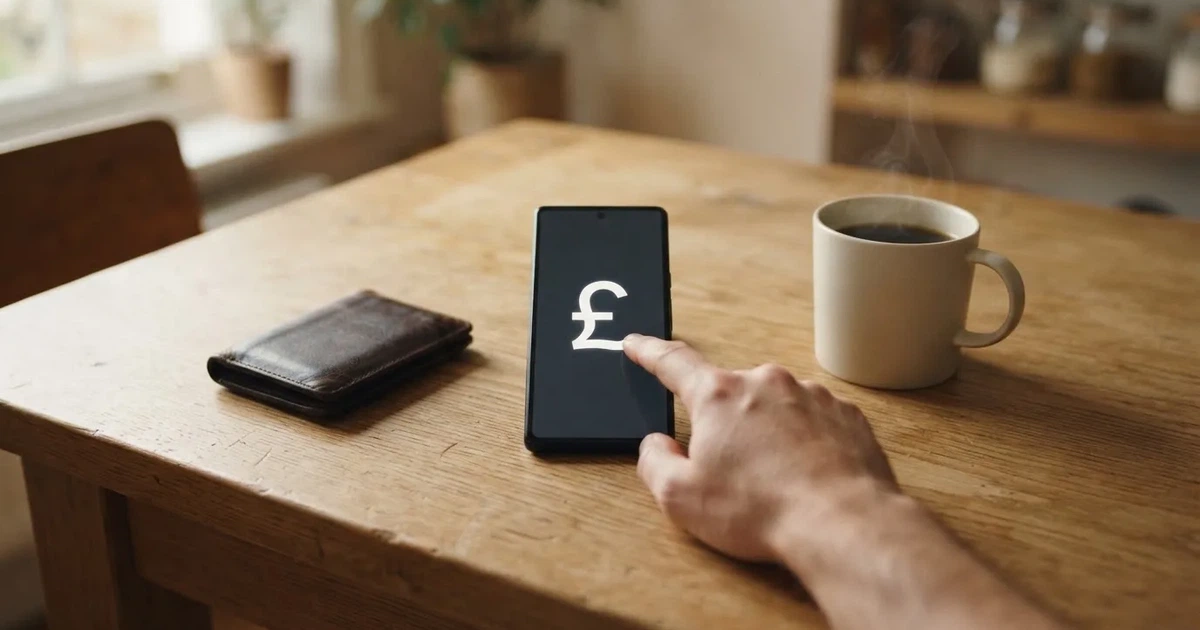
Current as of 27 October 2026 · checked against the Gambling Commission’s public register on the same date.
What a Google Pay Welcome Offer Actually Pays Out
Every sports welcome offer at the bookmakers reviewed here is built around the same shape: a free bet, issued once a qualifying bet has settled. The marketing calls it “free”, the small print in the bonus round says what you have to do to get it and what happens to the stake when it wins. Three bookmakers in the featured set — Coral, Unibet and Vbet — use variations of this offer, and the variation matters more than the headline figure.

Coral’s sports welcome offer is “Get £40 in Free Bets when you bet £20”: a deposit and sports bet of £20 or more at minimum odds of 2.0 (1/1), with £40 in free bets issued within 7 days and expiring 7 days after issue, for new GB customers who opt in. Unibet’s sports welcome offer follows the same shape and the same £20 and 2.0 (1/1) thresholds, with free bets expiring within 7 days of issue, for new GB customers using a debit card or instant bank transfer. The qualifying bet is the same on both brands — the price floor of 2.0 (1/1) is the British rule, not each operator’s quirk — but Coral’s payment-method list is broader, and the seven-day expiry applies to both.
Vbet’s sports welcome offer is a £10 free bet if a new, verified customer stakes £10 or more on a first-ever bet that loses. That is a different mechanism: a refund in free bets if the first wager loses, not a credit for placing one. The stake on the free bet itself is the part that quietly disappears. With a free bet, the book returns winnings only — a £10 free bet at 3/1 pays £30 in profit but the original £10 stake is not returned alongside it. Coral’s £40 free bet at 3/1 works the same way: £80 profit, no stake back. The headline figure is what you stand to win if your selection lands. It is rarely what lands in your account.
Bet Ahoy runs no welcome offer of this shape. Instead it carries a 10% Acca Bonus up to £1,000, Sub-Cover for player substitutions, Best Odds Guaranteed on UK and Irish horse and greyhound racing up to £100, and Double Result payout on UK and Irish racing. The acca boost pays extra on winning accumulators as a percentage of returns, not as a free bet. Sub-Cover refunds stakes as cash when a named player is substituted before kick-off. Best Odds Guaranteed pays out at the bigger of the price taken and the starting price on UK and Irish racing. The Double Result settles a win/place market on the result of both the first and second horse past the post — a market priced on its own merits, not a concession. None of these are “free bets” in the marketing sense, and none depend on a deposit-gated welcome.
What the bonus rules actually mean at the till
The 10x wagering cap that has applied since 19 January 2026 is the ceiling a bookmaker cannot push past: a £10 bonus at 50x would have meant £500 of qualifying bets; under the cap, no offer asks for more than £100 in turnover per £10 of bonus. Coral, Unibet and Vbet’s welcome offers carry no wagering multiplier on the free bet itself — Coral’s £40 lands after the £20 qualifying bet settles and Vbet’s £10 lands after a losing first bet — so the cap is not the binding constraint on these three. The constraint is the minimum odds (2.0) on the qualifying bet and the seven-day expiry on the free bet.

For Coral and Unibet, a £20 qualifying bet at exactly 2.0 (1/1) returns £40 total — £20 stake plus £20 profit — and unlocks £40 in free bets. The free bet then has to be used within seven days at any price the bookmaker offers. For Vbet, a £10 qualifying bet that loses triggers a £10 free bet on the same terms. The qualifying bet at Vbet is the more expensive of the two: it has to lose to trigger the credit, and the credit is half what Coral or Unibet hand over for the same outlay.
Midnite, Betmaster, QuinnBet, Fitzwilliam Sports and London.bet do not advertise a sports welcome offer of the Coral/Unibet/Vbet shape on their home page or app listing at the time of writing. That is not a mark against them. Bet Ahoy’s acca bonus and racing concessions apply to existing customers once a bet settles, and any operator on this list may run a temporary promotion outside the snapshot date.
Mixed-product offers are off the table
Since 19 January 2026, mixed-product promotions — an offer that requires gambling on two or more product types such as betting, casino, bingo and lottery, for example “bet on football to get free spins” — are banned at GB-licensed operators. None of the welcome offers above strays into that territory, which is one less thing to check before opting in.
Deposits, Withdrawals and the Cost of Moving Money
Google Pay is a wrapper around an underlying card or bank account. The bookmaker receives the deposit through Google’s rails and settles it into the operator’s account the way any card payment would. From the punter’s perspective the question is simpler: does the bookmaker accept Google Pay, what is the minimum deposit, and how quickly does the money come back.
What GB bookmakers actually take
Midnite accepts Visa, Mastercard, Apple Pay, Google Pay and Trustly. DAZN Bet deposits start at £5 by debit card, Apple Pay, Paysafecard, Trustly and Skrill, and at £20 by PayPal, with no processing fees. QuinnBet accepts debit cards, Apple Pay and OpenBanking, plus Revolut cards, and does not accept Skrill or Neteller deposits. Betmaster accepts Visa, Mastercard, Maestro and V PAY, and its safer gambling tools include deposit and session limits, time-outs and self-exclusion, with links to GambleAware, GamStop, BetBlocker and GamCare. Fitzwilliam Sports offers instant deposits, fast withdrawals, timeouts and deposit limits, and links to GambleAware, GamStop and Gamblers Anonymous. bet365 accounts can be funded by debit card, PayPal and Apple Pay, and the app supports Face ID login on supported devices.
None of the four featured bookmakers in this review — Coral, Midnite, Bet Ahoy and Unibet — is a complete unknown on Google Pay, but they are not identical on it. Coral’s site lists debit cards alongside Google Pay for funding; Unibet names “debit card or instant bank transfer” in the small print of its welcome offer; Midnite is the one featured bookmaker whose own homepage explicitly names Google Pay alongside Apple Pay and Trustly. The Bet Ahoy listing does not pin Google Pay down with a confirmation either way at the same depth as Midnite’s site does, and the Apple Store listing for Bet Ahoy carries other product details (the 10% acca bonus, the racing concessions, Sub-Cover) without naming payment methods line by line.
Minimums and speed
Where a minimum deposit is stated, the figure is the operator’s, not Google’s. DAZN Bet’s £5 floor on Apple Pay, Paysafecard, Trustly and Skrill is the lowest in the wider UK market and applies whether Google Pay is the wallet or not. Midnite’s deposits start at the price the operator sets for the method, and Google Pay carries the same minimum as Apple Pay and Trustly in most configurations. Coral’s minimums are not stated on the same page in the same form. The point that holds across the set: a £5 to £10 minimum is the range a Google Pay deposit typically lands in, and the deposit clears instantly because the wallet holds verified card credentials already.
Withdrawals tell a different story. Kwiff states it processes deposits and withdrawals quickly with Trustly payments and runs a casino with more than 3,500 games. The withdrawal route from a Google Pay-funded account is rarely Google Pay itself. Operators pay back to the underlying card or via bank transfer, and the credit (and the visa) Google Pay uses are the same: funds return to the Visa, not to the Google Pay app. The time it takes depends on the operator’s processing queue and on the card issuer’s settlement window — instant in some cases, one to three working days in others.
Fees and surcharges
GB-licensed operators do not charge deposit fees on card payments or on the digital wallets they support. The General Betting Duty is the operator’s tax on gross profits and never reaches the customer’s deposit screen. A punter betting in Great Britain pays no tax on betting winnings; that is general information and a professional gambler should ask HMRC or an adviser. None of the welcome offers in this review adds a transaction fee on the way in, and none publishes a fee on the way out — though operators reserve the right to charge for dormant accounts or repeated withdrawals below a threshold.
What a “fast withdrawal” claim actually covers
Marketing words travel further than the mechanism behind them. “Instant” means the operator has released the funds from its own queue, not that the card issuer has settled them. A debit card payout from Coral or Unibet typically clears the same day for Visa Fast Funds-eligible cards, and one to three working days otherwise. A Trustly or instant bank transfer payout, where offered, can clear in minutes. Apple Pay and Google Pay are deposit rails: they do not add a withdrawal channel of their own. The fastest route to your money is the underlying card or an Open Banking transfer, not the wallet.
The Featured Bookmakers at a Glance
Four bookmakers sit on the shortlist for this review. Each holds a Gambling Commission remote licence. Each is described only on the strength of the figures and terms research carries, with no implied ranking beyond the order the slots appear below.
| Brand | Licence | Licence holder | Operator’s own terms on Google Pay |
|---|---|---|---|
| Coral | 054743-R-330863-014 (account 54743), remote general betting standard (real events), remote betting intermediary | LC International Limited | Funding methods listed on the sportsbook include Google Pay alongside debit card; welcome offer paid in free bets |
| Midnite | 101839-R-342850-001 (account 101839), remote general betting standard (real events) | Midnite Limited | Google Pay named on the homepage alongside Visa, Mastercard, Apple Pay and Trustly |
| Bet Ahoy | 100094-R-341742-003 (account 100094), remote general betting standard (real events) | Bet Ahoy Ltd | Google Pay acceptance carried in the wider market listings rather than the brand’s own terms |
| Unibet | 045322-R-324275-019 (account 45322), remote general betting standard (real events) | Platinum Gaming Limited (Gibraltar) | Welcome offer accepts debit card or instant bank transfer; Google Pay sits alongside debit on the cashier |
The numbers in the licence column are the entries the Gambling Commission’s public register shows for each operator on the date of this review. They are the only test of whether a brand is licensed in Great Britain, and they are checked against the register on 27 October 2026.
Coral
Coral is the long-standing high-street name that moved into online betting under LC International Limited, the company that also runs Ladbrokes. The welcome offer trades £20 at minimum odds of 2.0 (1/1) for £40 in free bets, with the free bets expiring seven days after issue. Coral’s licence covers both remote general betting standard (real events) and the remote betting intermediary category, so the same platform runs fixed-odds betting and any exchange-style product the operator chooses to add. The funding methods named on Coral’s cashier include Google Pay alongside the debit card option — a Google Pay deposit behaves like a Visa deposit at the till, with the same minimum and the same processing window.
Midnite
Midnite runs under account 101839 and the licence holder is Midnite Limited. The site’s home page shows in-play events, an acca builder, popular accas and price boosts with maximum-stake limits; the Apple Store listing for Midnite names weekly rewards clubs and rapid payouts, and the publisher of record is Dribble Media Limited. Google Pay is named directly on the homepage alongside Apple Pay and Trustly, which makes it the clearest Google Pay bookmaker of the four featured brands on the evidence the snapshot carries. The safer-gambling links run to GambleAware, GamCare, GamStop and BetBlocker.
Bet Ahoy
Bet Ahoy is operated by Bet Ahoy Ltd under account 100094. The Apple Store listing names a 10% Acca Bonus up to £1,000, Sub-Cover for player substitutions, Best Odds Guaranteed on UK and Irish horse and greyhound racing up to £100, and Double Result payout on UK and Irish racing. The brand’s payment-method list on its own page does not carry the same depth of detail at the time of writing, so its Google Pay status is reported from the wider market listings rather than from Bet Ahoy’s own terms — a distinction that matters because the operator’s own cashier is the page that binds the customer.
Unibet
Unibet states it has operated since 1999, and its UK site is run by Platinum Gaming Limited, Gibraltar, under Gambling Commission account 45322. The welcome offer matches Coral’s £20-for-£40 free bet structure but restricts the qualifying payment to a debit card or instant bank transfer, and the small print is the place to read that restriction before opting in. Unibet’s safer gambling tools include deposit limits, a Player Profile test, product restrictions and self-exclusion, with live chat support and links to BeGambleAware, GamCare, GAMSTOP, Gambling Therapy and the BGC. The site’s payment-method list includes Google Pay alongside debit on the cashier, and a Google Pay deposit settles into the same Unibet account as a Visa deposit would.
What a Google Pay Bookmaker Actually Is
Google Pay is a mobile payment service developed by Google to power in-app, online and in-person contactless purchases on mobile devices. Google Pay uses near-field communication (NFC) to transmit payment information and generates virtual account numbers rather than sending a customer’s actual card details to the retailer. Google Pay supports major card networks including Visa, Mastercard, American Express, Discover and Diners Club. Google Pay is available in the United Kingdom, one of 108 countries where the service operates as of 2026.
The mechanics matter because they shape what a punter is signing up to. The bookmaker never sees the card number. It sees a tokenised credential issued by Google, charges it through the card network, and clears the funds into the punter’s betting account. A compromised bookmaker database does not leak the card; a compromised phone does not leak the card from Google Pay without the device’s biometric or PIN. That is the privacy case for using a wallet rather than typing the long card number into a cashier.
The other case is speed. The card is already loaded; the wallet authorises the deposit with a thumb or a face; the deposit clears. The punter spends less time at the cashier and more time on the bet — which is the marketing case every wallet makes, and the marketing case is the one that often ages badly once fees, minimums and withdrawal routes are checked. None of the GB bookmakers in this review charge a deposit fee on Google Pay. The minimums sit in the £5 to £10 range where they are stated. The fee case is the cleanest of the three.
Limits on the betting process
Identity is verified before the first deposit. The bookmaker runs a check on name, address and date of birth against public records and credit-reference files, and the punter cannot deposit or place a bet until the check passes. That is a British rule, not a Google Pay rule — it has applied since 7 May 2019 and covers every GB-licensed operator. The same check applies when the customer tries to claim a free bet, so a punt on a no-deposit bonus is not anonymous at a licensed site. The wallet sits on top of that check, not in place of it.
What happens on the back end
The punter adds a Visa, Mastercard, Amex, Discover or Diners card to Google Pay on an Android phone. The wallet tokenises the card and stores the token; the actual card number lives at the card network, not on the device. At the bookmaker’s cashier the punter picks Google Pay as the funding source, authorises the deposit with the device’s biometric or PIN, and the bookmaker receives the tokenised credential. The deposit settles through the card network the way any card deposit would. On withdrawal, the operator pays the same underlying card or sends a bank transfer, and Google Pay is not in the loop on the way out. That is the cleanest way to read the wallet’s role in a betting account: a faster front door, the same back door.
The Legal Frame in Great Britain
Any operator wishing to advertise gambling and take bets from consumers in Great Britain, including those accepting payment via digital wallets such as Google Pay, must hold a Gambling Commission licence. That is the Gambling (Licensing and Advertising) Act 2014 speaking: a remote operator whose facilities are used in Great Britain needs a Commission licence wherever it is based. Sections 33 and 36 of the Gambling Act 2005 carry the rule, and a Curaçao, Maltese or Gibraltar licence is not a substitute. Unibet runs under a Gibraltar-registered operator (Platinum Gaming Limited) but holds a Commission account; that is how the rule is satisfied.
The Commission’s public register is the whole test of whether a brand holds a licence. It can be searched by business name, trading name, domain or account number. The register shows the licence type, the categories covered (remote general betting standard (real events), remote general betting standard (virtual events), remote general betting limited, remote pool betting and remote betting intermediary), and the operator name. The featured brands in this review carry the licence entries set out in the table above, and each is verified against the register on 27 October 2026.
What that licence covers and what it does not
A Gambling Commission licence allows the operator to advertise in Great Britain, to take remote bets from customers in Great Britain, and to be subject to the Commission’s enforcement powers. It does not licence the operator’s marketing — advertising is policed by the ASA under the CAP Code (non-broadcast) and BCAP Code (broadcast), alongside the LCCP marketing conditions. It does not tax the punter. The player pays no tax on betting winnings in Great Britain; General Betting Duty is the operator’s tax on gross profits and the customer pays none of it.
A financial spread betting operation is a different licence altogether. Spreadex is regulated by the FCA for spread betting and by the Gambling Commission for fixed-odds betting, and states that spread betting losses can exceed the deposit. That is the FCA-overseen activity, not the UKGC-overseen one, and it sits outside the four brands reviewed here.
In-play, virtuals, esports and the markets a GB bookmaker may offer
No statutory list of permitted bets or markets exists. An operator holds a licence for a category and offers markets under its own rules and the Licence Conditions and Codes of Practice (LCCP). In-play betting is offered by GB bookmakers and the controls are the operator’s licence conditions and customer-protection duties. Esports are treated like any other event; virtual events are a separate licence category; bets on politics, TV shows and novelty markets are offered by GB bookmakers and no statutory prohibition was found. Betting exchanges run under a betting intermediary licence; rates and rules specific to exchanges are stated only from each exchange’s terms. Spread betting that is not a financial product is inside General Betting Duty.
There is no statutory cap on stakes in sports betting. Operators set their own maximum stakes and may restrict customers. Midnite’s price boosts, for instance, carry maximum-stake limits that the operator sets; Coral’s acca-insurance offer carries its own cap. The cap is a commercial decision by the operator, not a British ceiling.
What the Safer-Gambling Rules Cost and What They Pay For
Every GB-licensed online operator takes part in GAMSTOP. Kalooki Sportsbook is operated by Kalooki Sports Book Ltd (company number 12938274), licensed by the Gambling Commission under account number 57730, and is a GAMSTOP member. The rule has been mandatory for online operators since 31 March 2020. GAMSTOP lets a customer self-exclude from every GB-licensed online operator at once, with periods of six months, one year, five years, or five years with auto-renewal. After the minimum period the exclusion stays in place for a further seven years unless the customer asks GAMSTOP to remove it. It covers online sites and apps; betting shops use a separate service.
Financial checks and what they look for
A financial vulnerability check (LCCP condition 3.4.4, in force since 30 August 2024) applies to licensed remote betting when a customer’s deposits minus withdrawals exceed £150 in a rolling 30 days (since 28 February 2025): it is a public-record check (for example bankruptcy or county court judgments), not an income check and not a credit reference check. Financial risk assessments (the “affordability checks” of the press) are announced in a staged plan (Commission article of 7 July 2026), with no start date. That distinction matters. The vulnerability check is a public-record sweep at the £150 threshold; the affordability check is the more intrusive step that requires the customer to provide payslips or bank statements and has been announced but not started.
Deposit limits and the cap that does not (yet) apply
Deposit limits (RTS 12): operators must offer a gross deposit limit on a fixed time frame. The first changes have applied since 31 October 2025, a second phase was postponed to 30 September 2026, and whether it is live is not established. There is no state-set deposit or loss ceiling for betting. The limits are the customer’s choice. Unibet lists deposit limits, a Player Profile test, product restrictions and self-exclusion. Midnite links to GambleAware, GamCare, GamStop and BetBlocker. Betmaster lists deposit and session limits, time-outs and self-exclusion. Fitzwilliam Sports offers instant deposits, fast withdrawals, timeouts and deposit limits.
Help when the betting stops being fun
GamCare runs the National Gambling Helpline. GambleAware funds treatment and education. NHS gambling clinics offer specialist support. Gamblers Anonymous runs peer-support meetings. The CAP Code rule that no one who is or seems to be under 25 may be featured gambling or play a significant role in marketing concerns who may appear in an advertisement, not who may bet. The minimum age to bet is 18, and that is verified by the operator before the first deposit.
What an Offshore Bookmaker Costs the British Customer
A GB licence is compulsory at the point of consumption. Providing gambling facilities in Great Britain without the licence the Act requires is an offence under section 33 of the Gambling Act 2005 — on summary conviction up to 51 weeks’ imprisonment, a fine up to level 5, or both; six months in Scotland. The offence is aimed at the operator. No offence aimed at a customer who merely bets on an unlicensed site was found. The honest framing is the loss of protection, not the criminal exposure.
An unlicensed operator offers none of the British protections: no GAMSTOP coverage, no Commission complaints route, no approved dispute-resolution body, no British consumer redress if funds are withheld. The 10x bonus cap does not bind an unlicensed book. The £150 vulnerability check does not apply. The credit-card ban does not apply, and a punter using a credit card at an unlicensed site is unprotected on every front. None of the four featured brands in this review is unlicensed; each carries a Gambling Commission account number on the register.
Enforcement against unlicensed operators is disruption, not blocking: cease-and-desist notices, search-engine referrals, work with registrars, hosts and payment providers. The Commission has been given, or is about to receive, court-order DNS blocking powers — never write that ISP blocking is in operation.
The other side of the licensed choice is the verification the customer goes through. Identity is verified before the first deposit. The bonus is issued after a qualifying bet settles. The withdrawal is paid to a named account. The punter trades anonymity for protection. That trade is the price of betting at a licensed bookmaker, and the four brands reviewed here all charge it.
What “licensed” actually changes for the punter
A licensed operator holds segregated customer funds, runs affordability and vulnerability checks at the thresholds the LCCP sets, files suspicious-activity reports under money-laundering rules, and pays out under the Commission’s enforcement. An unlicensed operator does none of these. The General Betting Duty is paid by the operator at 15% of gross profits on remote bets until 1 April 2027, when a new remote rate of 25% applies; the duty is not charged to the customer and the operator may absorb it in margin or pass it through odds — that choice is the operator’s, not the punter’s. None of this is a tax on the customer.
How a Google Pay Betting Account Runs Day to Day
A new customer opens an account at a licensed bookmaker, picks Google Pay on the cashier, and adds a Visa or Mastercard from the wallet. The bookmaker runs an identity check on name, address and date of birth, the check passes, and the deposit clears. The punter places a £20 qualifying bet at minimum odds of 2.0 (1/1) on a sport or a market the operator offers. The bet settles — win or lose — and the welcome offer’s free bets land in the account. The punter uses the free bets within seven days, places a bet, and the stake on the free bet does not come back with a win. The punter withdraws to the underlying card via the cashier. The withdrawal clears instantly for Visa Fast Funds-eligible cards, or one to three working days otherwise.
A worked example with Coral’s offer
A new GB customer opens a Coral account, deposits £20 via Google Pay, and places a £20 bet on a football match at odds of 2.0 (1/1). The bet wins at 2.0 and returns £40 — £20 stake plus £20 profit. Within seven days Coral issues £40 in free bets, expiring seven days after issue. The customer uses the £40 free bet on a horse race at 4.0 (3/1). The free bet wins. Coral pays £120 in profit (£40 × (4.0 − 1) = £120) and does not return the £40 stake. The customer’s account now shows £140 in profit from the welcome offer’s chain of bets, less the £20 stake on the qualifying wager. The headline was “£40 in free bets”. The actual cash out of the welcome offer is £140, not the £160 the marketing copy implies.
The same example at Vbet
A new, verified customer opens a Vbet account and places a £10 bet on a market the operator offers. The bet loses. Vbet issues a £10 free bet within the operator’s stated window. The customer uses the £10 free bet on a different selection at 3.0 (2/1). The free bet wins and Vbet pays £20 in profit (£10 × (3.0 − 1) = £20), keeping the £10 stake as the free bet’s cost. Net result: the £10 lost on the qualifying bet plus the £20 won on the free bet equals £10 in profit on the welcome offer’s chain. Half of Coral’s headline in cash terms, for half the qualifying outlay — and the qualifying bet had to lose.
Why the minimum odds matters
A £20 qualifying bet at minimum odds of 2.0 (1/1) is the floor below which the free bet does not trigger. Coral and Unibet both name 2.0 as the minimum; Unibet’s small print also restricts the qualifying payment to a debit card or instant bank transfer. A bet at 1.5 (1/2) on a heavy favourite, however safe it looks, does not unlock the £40. The marketing copy rounds “qualifying bet” down to “a bet”; the small print rounds it back to a price floor that disqualifies the obvious-looking favourites. Reading the small print is the difference between £40 in free bets and £0.
What the Marketing Words Actually Mean
“Risk-free” in a betting promotion is the same kind of phrase as “free” in a casino bonus — the operator’s word for a refund in a different currency. Vbet’s “risk-free” first bet is a free bet if the first wager loses. The first wager is not refunded in cash; the loss is not undone. The punter receives a free bet whose stake is not returned on a win, and the value of that free bet on a market at margin 5% with a 3/1 selection is, on average, the free-bet amount multiplied by (3 − 1) ÷ 3 multiplied by the payout share. That is the offer’s expected value, and it is rarely what “risk-free” implies.
“Best odds guaranteed” is the racing concession that pays out at the bigger of the price taken and the starting price on UK and Irish racing. Bet Ahoy runs this concession up to £100. The concession has its own cap. The cap is the maximum extra the customer can win from the upgrade; above it the starting price is the price.
“Enhanced odds” and “price boost” are the same mechanism under different names: the operator raises the price on a specific outcome and pays out at the higher price if it wins. Midnite’s price boosts carry maximum-stake limits that cap the upside. The cap is the operator’s; the price is the price on the day.
“Acca insurance” refunds stakes as cash or as free bets when one leg of an accumulator lets the customer down. Coral runs this promotion under its own rules. The refund is the operator’s; the rules are the operator’s. Reading the rules is the part the marketing copy skips.
Frequently Asked Questions
Can you bet against Google Pay?
Yes, in the sense that you can place bets at any GB-licensed bookmaker whose cashier lists Google Pay as a funding method. The wallet acts as a card wrapper: the punter authorises a deposit with the device’s biometric or PIN, and the bookmaker receives a tokenised credential rather than the card number. The same rule that applies to debit cards applies to Google Pay: the bookmaker runs an identity check on name, address and date of birth before the first deposit, and the welcome offer’s qualifying bet has to clear before any free bet is issued.
Can you lose on Google Pay betting?
Yes. The wallet is a payment rail, not a betting edge. A bet placed after a Google Pay deposit settles the same way any other deposit settles, and a losing bet returns the stake less than it cost to place it. The free bet issued under Coral’s, Unibet’s or Vbet’s welcome offer returns winnings only — a £10 free bet at 3/1 pays £30 in profit but does not return the £10 stake. Spread betting on a financial market, where Spreadex is regulated by the FCA, can exceed the deposit; that is a different licence category and sits outside the four brands in this review.
Can you use Google Pay in betting shops?
No, in the sense that the four featured online brands do not take Google Pay at the high-street counter. Google Pay supports contactless in-person purchases, but the GB-licensed online operators in this review take Google Pay through the online cashier or app, not at the betting shop till. Cash and card are the routes into a betting shop book. GAMSTOP covers online sites and apps; betting shops use a separate self-exclusion service.
Which payment methods do GB-licensed bookmakers accept, and are credit cards allowed?
GB-licensed bookmakers accept the methods their own cashier lists — debit cards, Apple Pay, Google Pay, Trustly, bank transfer, PayPal, Revolut cards, Open Banking, Skrill, Neteller and Paysafecard are common. Credit cards are banned for gambling in Great Britain (since 14 April 2020, LCCP condition 6.1.2), including credit-card-funded payments through an e-wallet. Debit cards and bank-based payments are not covered by that ban. The cashier is the page that binds the customer.
From what age can bets be placed in Great Britain, and when is identity verified?
The minimum age is 18. Identity is verified before the first deposit — name, address and date of birth are checked against public records and credit-reference files. That rule has applied since 7 May 2019 and covers every GB-licensed operator. The same check applies when the customer tries to claim a free bet or bonus, so a no-deposit bonus is not anonymous at a licensed site.
How can it be checked that a bookmaker holds a Gambling Commission licence?
The Commission’s public register can be searched by business name, trading name, domain or account number. The register shows the licence type, the categories covered, and the operator name. Each of the four featured brands in this review carries a Commission account number, and the number is the place to start the check. A brand whose register entry cannot be found is not licensed.
Payments & apps – Cricket betting
Content created by the «Cricket betting» team
