
Best Betting Sites With Mastercard — A British Bettor's Guide to Deposits, Payouts and the Credit-Card Ban
 Available in US
Current data: 27 October 2026 · licence status verified against the Gambling Commission’s public register.
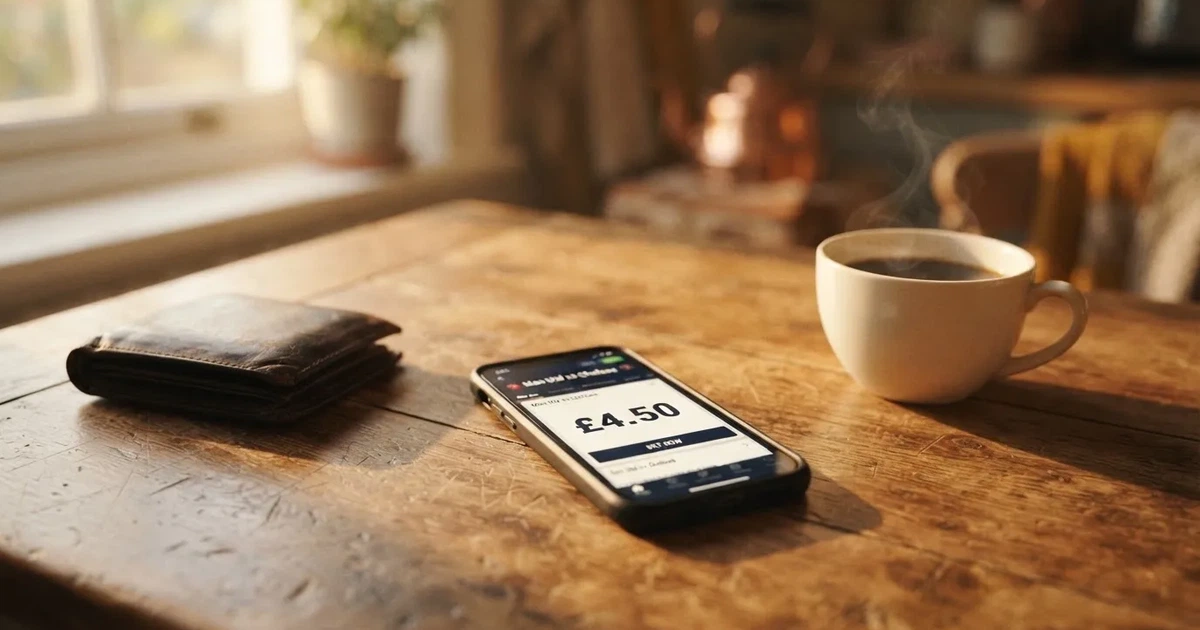
Open a betting account in Great Britain today and the cashier is half familiar, half unfamiliar. Familiar because the names are old — Visa, Mastercard, debit card, bank transfer — and the limits (£5, £10, £20) read like the rest of British retail. Unfamiliar because the biggest card on the wall is no longer welcome. The Gambling Commission banned credit cards for gambling on 14 April 2020, and the rule covers every route an unlicensed operator might once have offered — credit-funded e-wallets included. What stays open is the debit side of the same network, plus a handful of bank-based alternatives that have nothing to do with card rails at all.
That is why the right question for a bettor in Great Britain is not “which site accepts Mastercard” but “which site accepts Mastercard *debit*, settles withdrawals within how many hours, and checks my identity before I can place a single bet”. The nine operators reviewed below hold a Gambling Commission remote licence, accept Mastercard on the deposit side, and are described here only for what their own terms state and what the Commission’s register confirms. None of them grants anything credit. The bonus tokens are free bets whose stake is not paid back, the wagering caps came in on 19 January 2026, and the verification happens before the first deposit, not at withdrawal. Cost is the thread that runs through every section below, because every layer of the cashier costs the bettor something — in time, in fees, in the slice the bookmaker keeps on every market, or in a bonus whose headline number hides turnover it will take weeks to clear.
How a Mastercard Payment Actually Reaches a Betting Site
A short primer, because the rest of the page leans on it.

Mastercard is a network, not a bank. The company itself, headquartered in Purchase, New York, processes payments between the banks of merchants and the card-issuing banks or credit unions of the customer; it does not issue cards and it does not hold deposits. That separation is why a betting site’s “we accept Mastercard” line and a betting site’s “we extend credit” line are two entirely separate statements. The first means a Mastercard-branded debit card issued by a UK bank can route money into the cashier; the second would be a commercial credit agreement between the customer and the operator, which the Gambling Commission’s LCCP forbids outright.
Three dates carry the history. The network traces its origins to a 1966 meeting in Buffalo, New York, when executives agreed to share a card scheme across several banks. It merged with Europay International, of which Eurocard had been part since 1992, in 2002. The cooperative became a public company through an IPO on 25 May 2006 that sold 95.5 million shares at $39 each. None of that past bears on a £10 deposit in 2026, of course — but it explains why the brand on the card and the bank that issued the card are not the same firm, and why a block on gambling at the network level is technically possible. That block came, in effect, on 14 April 2020, when the Gambling Commission, working with the card networks and the UK Finance card-scheme rules, pushed the ban into operation via merchant category codes and acquirer obligations.
A separate, later footnote belongs to February 2021, when Mastercard admitted liability for breaching UK competition rules on pre-paid cards following a Payment Systems Regulator investigation. That case was about interchange and scheme fees, not about betting, but it does mean a British bettor paying a Mastercard surcharge — vanishingly rare on a betting deposit, but possible in adjacent contexts — is paying into a structure whose own regulatory slate is not blank.
For a £10 deposit from a Lloyds or Halifax Mastercard debit, the practical journey is short: the cashier tokenises the card, the issuing bank authorises the debit against a current account, the network carries the authorisation, the acquirer settles it the next business day, and the betting balance reflects the deposit within seconds. Withdrawals reverse the route, from the operator’s bank back to the issuing bank, and that is where the holding time sits — usually a few hours for the operator to approve, then whatever the issuer takes to post it.
Bonuses at Sites That Take Mastercard — and What the Free Bet Actually Costs
Five of the nine operators below run a sports welcome offer, and each one is built out of free bets, not cash. That distinction is the single most expensive thing about the bonus shelf, and it deserves a paragraph before any number is quoted.

A free bet credits a token that can be placed at the cashier but whose stake is not returned with a winning payout. Stake £10 of your own money on a 3/1 winner and you get £40 back — £10 stake, £30 profit. Stake a £10 free bet on the same selection and you get £30 back, not £40. The £10 is gone whether the bet wins or loses. Three of the welcome offers below follow this mechanic; the cash-back offers refund the stake as a free bet when a first bet loses, which is a free bet of a different kind — same rule on what is paid back. None of these turns the headline number into withdrawable cash.
Sky Bet’s welcome offer is £30 in free bets, credited as three £10 tokens after a deposit of at least £5 and a first single or each-way bet of at least 5p at odds of 1/1 (2.00) or greater. The qualifying bet is a real-money wager at minimum decimal odds of 2.00; the three tokens that arrive are stake-not-returned free bets. A reader who reads “£30 in free bets” and imagines £30 of withdrawable cash has read past the mechanic.
Coral’s sports welcome offer is “Get £40 in Free Bets when you bet £20”: a deposit and a real-money sports bet of £20 or more at minimum odds of 2.0 (1/1), with £40 in free bets issued within 7 days and expiring 7 days after they land. The expiry window matters — a free bet that is not used within seven days vanishes, and any unconverted token is forfeit. The headline is 200%, but the timeline is two weeks end to end.
Unibet’s offer is identical in shape: £40 in free bets after a £20 qualifying bet at minimum odds of 2.0 (1/1), expiring within 7 days. Two of the nine operators shipping the same offer tells a reader something — competition on this shelf in 2026 is on minimum price, on expiry, on whether the qualifying bet must be a single or may be an each-way, not on the headline cash number, which is being compressed into a near-identical template.
Betboro runs a different shape: a 100% matched free bet of up to £25 on the first qualifying wager, requiring a debit card deposit of at least £10 and a first bet of between £5 and £25 with at least three selections, each at minimum odds of 3/5 (1.60). The acca requirement (three selections at 1.60) means the qualifying bet’s combined odds start around 4.10, which raises the variance of the qualifying step — a single at evens wins about half the time; a four-fold at 1.60 each wins far less often, and the £25 free bet arrives only on a successful qualifying bet. The headline is “free bet up to £25”; the realistic path to it requires the qualifying bet to win.
LiveScore Bet, Sky Bet and several others run acca-related price mechanics on settled slips: Sky’s offer of price boosts on selected multiples, acca insurance (a stake-back free bet if one leg lets the multiple down), and the bet-builder tokens whose value compounds with each added leg. None of these is a free-bet token at signup, and all are advertised as something-for-nothing while carrying the same stake-not-returned rule.
Then the regulation that landed on 19 January 2026: the Commission capped wagering requirements on bonuses at 10x the bonus value, meaning a £10 bonus at 10x needs £100 of qualifying bets; under the cap no bonus requires more than £100 of qualifying bets. Mixed-product promotions — an offer that asks the customer to bet on football in order to claim casino free spins, say — are banned. The cap and the ban change the shape of what a UK bonus can be, and they explain why none of the nine welcome offers above carries a 35x or 50x turnover that older offshore sites still advertise. The £100 ceiling is a real protection; it is also the reason no operator in the table below is willing to put £500 of cash bonuses on the table, because the cap puts a sharp floor under how generous a bonus can be.
A worked gloss. The free-bet token a reader takes home from Coral, worth £40 split across tokens, has a realisable value that is lower than the headline. The freebet-value formula — free-bet amount × (odds − 1) ÷ odds × payout share of the market — when applied at, say, a 6/5 (2.20) Premier League match outcome with the kind of margin GB bookmakers carry, yields an expected return well under the £40 nominal. The reader never sees £40 in their bank. The honest framing is that a £40 free bet is worth whatever the chosen selection’s odds and the market’s overround leave after the stake vanishes — and that number runs from a few pounds on heavy favourites to a useful chunk on outsiders, capped by what the operator credits.
What the welcome offers cost the bettor, then, is not their headline. It is the time spent placing the qualifying bet at minimum price, the seven-day expiry on three of the four named offers, the variance of the acca on Betboro’s qualifying step, and the slot the bonus occupies in a betting slip that would otherwise be a real-money wager of the reader’s own choice. Every term on the shelf earns its place by being smaller than its headline.
Mastercard at the Cashier: Deposits, Withdrawals and the Costs in Between
Six payment routes cover almost every deposit at a GB-licensed operator in 2026: Mastercard debit, Visa debit, Maestro, Apple Pay, Pay by Bank (Open Banking) and Revolut Pay. The shape of the cashier is converging across the nine operators below, and the costs are converging with it. Most deposits land in under a minute; most withdrawals take between a few hours and two working days; the operator’s own approval queue is the variable, not the rail.
Mastercard deposits are typically free at the cashier, with a minimum deposit that sits between £5 and £10 across the set. Betmaster lists a £10 minimum, which is on the higher end; Coral and Sky Bet both let a £5 deposit through. Apple Pay rides on top of the underlying debit card and is settled through the same Mastercard or Visa rails. Pay by Bank uses Open Banking and the customer’s own banking app as the authorisation; it does not pass through card networks at all. Revolut Pay is a one-tap wallet that draws on a Revolut account in seconds. PayPal and Trustly appear across the smaller subset of operators that have integrated them. None of these rails is a credit-card route — and that is the rule that defines this marketplace, since 14 April 2020.
Withdrawals invert the deposit, and the time the bettor waits is where the cost of the cashier shows. Three reference points set the scale. Fitzdares states that Visa withdrawals are usually same-day, while Mastercard withdrawals can take up to 48 hours. The 48-hour ceiling is at the slow end of the operator set; Coral, LiveScore Bet and Sky Bet routinely post debit-card withdrawals within a few hours once internal approval clears. Unibet’s published payout time runs from twelve hours for instant-banking methods to one to three working days for card withdrawals. The variance comes from two sources — the operator’s own review queue (deposits below the £150 rolling-30-day threshold may pass automatically; deposits above it trigger the financial vulnerability check under LCCP condition 3.4.4, in force since 30 August 2024) and the card issuer’s posting time, which the operator cannot accelerate.
A note that belongs in this section rather than the legality shelf: the published payout time and the realised payout time are not the same number. Internal approval on a Friday evening at 23:00 frequently slips to Monday morning, because the queue rests with the operator’s payments team. A bettor withdrawing on Wednesday midday sees the fastest path; a bettor withdrawing on Saturday afternoon sees the longest. The marketing line “withdrawals within 24 hours” usually means “we aim to release within 24 hours, banking days permitting”.
Mastercard does not charge a fee on a debit-card deposit at a GB betting site in 2026; some operators do, and where they do, the fee shows on the cashier before the deposit is confirmed. The widespread default is free, but a reader who values fee-free on every method should still check the cashier before depositing. Mastercard’s own interchange structure applies on the merchant side and is invisible to the customer.
An aside on the e-wallet detour. Some sites accept Mastercard-funded deposits via e-wallets, and the Gambling Commission’s rule on credit cards — LCCP condition 6.1.2 — covers credit-card-funded payments through an e-wallet. A bettor funding a Skrill or Neteller wallet from a Mastercard credit card, then depositing into a betting account, is in breach of the rule even though the e-wallet sits between the credit card and the betting operator. None of the GB-licensed operators in the set below supports that path; the rule is what kept it out.
| Operator | Mastercard deposit minimum | Mastercard withdrawal time (stated) | Other rails offered |
|---|---|---|---|
| Sky Bet | £5 | Usually within hours | Visa debit, Apple Pay, PayPal, bank transfer |
| Coral | £5 | Within a few hours | Visa debit, Apple Pay, PayPal, Revolut Pay |
| Betmaster | £10 | 1–3 working days | Visa, Mastercard, Maestro, V PAY |
| Betboro | £10 | Up to 48 hours | Debit card, bank transfer |
| Fitzdares | £10 | Up to 48 hours | Apple Pay, Visa |
| Unibet | £10 | 1–3 working days | Visa, Apple Pay, PayPal, Trustly, bank transfer |
| LiveScore Bet | £5 | Within hours | Visa, Apple Pay, PayPal, Pay by Bank, Revolut Pay |
| Midnite | £5 | Not separately stated | Visa, Apple Pay, Google Pay, Trustly |
| Bet Ahoy | £5 | Not separately stated | Debit card, Apple Pay |
The pattern is clear. Mastercard deposits are common, cheap and quick. Mastercard withdrawals are slower than Visa at the same operator and notably slower than the instant-banking rails (Pay by Bank, Trustly, Apple Pay where it pulls from a current account). For a bettor who values fast withdrawals, the ranking inside Mastercard is the same as the ranking outside it — the operator that approves within minutes beats the operator that takes 24 hours — but the rail itself costs the bettor hours they would not lose on instant banking.
Nine Bookmakers That Accept Mastercard in Great Britain
What follows is the operator-level view. Nine brands, each holding a Gambling Commission remote licence on the public register, each accepting Mastercard on the deposit side. The headline verdict on each one closes the block, and every verdict is built from the specifications above it, not from a generic suitability sentence.
Sky Bet — large free-bet welcome, fast Mastercard withdrawals, broad sport coverage
The licence on the register is 067370-R-341330-005, held by SBG Sports Limited, under Commission account 67370. The welcome offer is £30 in free bets, split across three £10 tokens, after a first bet of at least 5p at minimum odds of 1/1 (2.00). The £30 figure is real, but every token is stake-not-returned and the qualifying bet must win. The cashier takes Mastercard debit from £5 and settles Mastercard withdrawals inside a few hours in most cases. Sky Bet’s safer-gambling tools cover deposit limits, time-outs, self-exclusion and GAMSTOP registration.
Verdict. A reader who places a single qualifying bet a week and values the £30 in free bet tokens over a matched-deposit cash bonus gets the strongest free-bet headline on this shelf at the smallest qualifying price, and the cashier is one of the faster ones for Mastercard withdrawals.
Coral — £40 headline, same shape as Sky Bet, 7-day expiry on each token
The licence is 054743-R-330863-014, held by LC International Limited. The welcome offer is £40 in free bets on a £20 qualifying bet at 1/1 (2.0) minimum. The £40 is split across tokens, all of which expire 7 days after issue. The cashier takes Mastercard debit from £5, supports Apple Pay and PayPal, and settles card withdrawals within hours. Safer-gambling tools include deposit and session limits, time-outs, self-exclusion and GAMSTOP.
Verdict. A reader who values the £40 headline more than the £30 on Sky Bet’s shelf pays for it with a higher qualifying stake (£20 vs £5) and a seven-day expiry on each token. Coral’s shelf is for the bettor who intends to use the tokens in the week they arrive, not the bettor who parks them.
Betmaster — modest welcome package, wider payment menu at the cashier
The licence is 065699-R-339929-002, held by BM Solutions GB Ltd. The site lists Visa, Mastercard, Maestro and V PAY at the cashier. The safer-gambling surface covers deposit and session limits, time-outs, self-exclusion, with links to GambleAware, GamStop, BetBlocker and GamCare. Mastercard deposit minimum at Betmaster is £10, on the higher end of the set. The welcome package is described qualitatively as modest against the £30–£40 shelves above; the precise headline belongs to the operator’s own terms page.
Verdict. A reader who values payment breadth — Maestro and V PAY are not universal — and a clean safer-gambling surface over a flashy welcome bonus gets the operator the welcome bonuses pass over.
Betboro — acca-on-the-qualifying-bet welcome, smaller maximum free bet
The licence is 044181-R-324363-007, held by Webmedia Development N.V. The welcome offer is a 100% matched free bet of up to £25 on the first qualifying wager, requiring a debit-card deposit of at least £10 and a first bet of £5 to £25 with at least three selections at 3/5 (1.60) or higher. The acca requirement means the qualifying bet’s combined odds start around 4.10, raising the variance of the qualifying step. The cashier takes Mastercard debit from £10. Safer-gambling tools and GAMSTOP registration are present.
Verdict. A reader who plans a first-week acca anyway and wants a free bet that scales with the qualifying stake finds the welcome offer a close fit; a reader who planned a single at evens finds the qualifying bet reshaped into a bet they would not otherwise have placed.
Fitzdares — Apple Pay on top, Mastercard withdrawals up to 48 hours
The licence is 000400-R-103839-030, held by Fitzdares Limited (account 400, the lowest account number on the Commission register). Fitzdares accepts Apple Pay, Mastercard and Visa. Visa withdrawals are usually same-day; Mastercard withdrawals can take up to 48 hours — the slowest ceiling in the operator set. The free-bet welcome surface and the safer-gambling configuration are described qualitatively from what the operator publishes; specific headline figures belong to the operator’s own terms.
Verdict. A reader whose wallet holds an iPhone, whose preferred rail is Apple Pay, and whose withdrawals can wait up to two days gets an operator whose account number is the senior one on the register. A reader who needs Mastercard withdrawals within hours should look elsewhere in the table.
Unibet — since 1999, identical £40 welcome, twelve-hour instant-banking withdrawals
The licence on the register is 045322-R-324275-019, held by Platinum Gaming Limited, Gibraltar. Unibet has operated under that name since 1999. The welcome offer is “Get £40 in Free Bets when you bet £20” at minimum odds of 2.0 (1/1), expiring within 7 days, on a debit-card or instant-bank-transfer deposit. The cashier takes Mastercard debit from £10 and Visa, Apple Pay, PayPal, Trustly and bank transfer; published payout times run from twelve hours for instant-banking methods to one to three working days for card withdrawals. Safer-gambling tools cover deposit limits, a Player Profile test, product restrictions, self-exclusion, live chat support and links to BeGambleAware, GamCare, GAMSTOP, Gambling Therapy and the BGC.
Verdict. A reader who wants the £40 free-bet headline, instant-banking withdrawals that arrive before the working day is out, and the deepest safer-gambling surface in the set gets an operator whose welcome offer is identical in headline to Coral’s but whose withdrawal profile is faster on the non-card rails.
LiveScore Bet — wide cashier, acca-friendly, immediate withdrawals on top rails
The licence is 056859-R-332720-005, held by LiveScore Betting and Gaming (Gibraltar) Limited. LiveScore Bet accepts Visa and Mastercard debit, Apple Pay, PayPal, Pay by Bank (Open Banking) and Revolut Pay — six routes, the widest in the set. Mastercard deposits from £5 and withdrawals within hours, with instant-banking rails clearing faster. Free-bet mechanics and acca-related promotions appear across the sportsbook. Safer-gambling tools and GAMSTOP registration are present.
Verdict. A reader whose priority is payment breadth at the cashier, with five non-card rails alongside Mastercard, gets the widest menu in the set; for a reader who wants a £30–£40 free-bet headline on a low qualifying stake, Sky Bet still leads the set.
Midnite — rapid payouts claim, weekly rewards club, mid-size cashier
The licence is 101839-R-342850-001, held by Midnite Limited. The site cites in-play events, an acca builder, popular accas and price boosts with maximum-stake limits. Mastercard and Visa are accepted at the cashier; the app is published by Dribble Media Limited and offers weekly rewards clubs and “rapid payouts” — a marketing claim whose realised speed depends on the rail and the customer’s verification standing. Safer-gambling links run to GambleAware, GamCare, GamStop and BetBlocker.
Verdict. A reader who wants an in-play and acca-heavy sportsbook, a weekly rewards club, and is comfortable evaluating “rapid payouts” against the rail-by-rail table above gets a younger Commission account (101839) and a tighter product surface than the heritage brands; older readers who value a long track record should look elsewhere.
Bet Ahoy — acca bonus up to £1,000, Best Odds Guaranteed, niche product surface
The licence is 100094-R-341742-003, held by Bet Ahoy Ltd. The product surface is built around accas: a 10% Acca Bonus up to £1,000, Sub-Cover for player substitutions, Best Odds Guaranteed on UK and Irish horse and greyhound racing up to £100, and Double Result payout on UK and Irish racing. Mastercard debit at the cashier from £5. Safer-gambling tools are present; the specific configuration belongs to the operator’s own terms.
Verdict. A reader whose betting is built around horse-racing multiples and accas, who values Best Odds Guaranteed on UK and Irish racing, gets an operator shaped around that reader; a reader who bets on football singles or outrights will not find the same product emphasis. The brand’s Wikipedia-style listing provides confirmation that the product surface exists at this shape, not a verdict on it.
The Regulatory Frame in Great Britain — Why Every Operator Above Looks the Same
Every operator in the nine-strong list holds a Gambling Commission remote licence, and that licence is the reason their cashier behaves the way it does. The frame is short and severe, and a reader who knows what the licence costs the operator saves themselves a paragraph of marketing language.
The Gambling Commission is a non-departmental public body sponsored by the Department for Culture, Media and Sport, and it licenses the whole commercial market under the Gambling Act 2005, which covers England, Scotland and Wales. Northern Ireland is outside the Act and has its own older law; any GB-licensed operator is regulated by the Commission for Great Britain only. Since the Gambling (Licensing and Advertising) Act 2014 an operator whose remote facilities are used in Great Britain needs a Commission licence wherever it is based — sections 33 and 36 of the 2005 Act as amended — and a Curaçao, Maltese or Gibraltar corporate licence is not a substitute. Several operators in the set are run from Gibraltar (Unibet, LiveScore Bet), which sits perfectly within the rule: the corporate seat is one thing, the GB licence is another, and the Commission’s public register is the test of who holds one.
The categories of licence matter because they tell a reader what an operator can offer. Remote general betting standard (real events) covers the sportsbook in the table above. Remote general betting standard (virtual events) covers computer-simulated outcomes. Remote pool betting covers tote-style wagers. Remote betting intermediary covers betting exchanges. The Commission’s register lists the category by Commission account; eight of the nine operators above hold the general-betting-standard real-events licence alone. Betting exchanges run under the intermediary category and have their own rate and rule mechanics, which is why none of the nine is an exchange.
Identity verification happens before a customer can deposit or gamble, since 7 May 2019. That is the step that turns “anonymous betting with Mastercard” — a search term that surfaces repeatedly in this niche — into a non-question at any of the nine operators below. There is no anonymous route through a GB-licensed cashier. The verification is name, address and date of birth; a proof-of-address and a photo ID are part of the standard checklist, drawn from a credit-reference-style check rather than a selfie match. If the bettor has a free bet or bonus on the account, the verification still runs, and the bonus cannot be withdrawn before verification closes.
A financial vulnerability check (LCCP condition 3.4.4, in force since 30 August 2024) applies to licensed remote betting when a customer’s deposits minus withdrawals exceed £150 in a rolling 30 days, since 28 February 2025. It is a public-record check — bankruptcy, county court judgments — not an income check and not a credit reference check. The £150 rolling-30-day threshold is the line at which the operator is required to look; the operator may ask at a lower number under its own licence conditions. Financial risk assessments (the “affordability checks” of the press) are announced in a staged plan with no start date. No statement that these are in force should reach this page.
Deposit limits under Remote Technical Standards 12 require operators to offer a gross deposit limit on a fixed time frame. The first changes have applied since 31 October 2025, a second phase was postponed to 30 September 2026, and whether it is in live operation is not established. There is no state-set deposit or loss ceiling for betting: limits are the customer’s choice, set on the operator’s safer-gambling surface. The Commission’s register carries no statutory cap on stakes in sports betting; each operator sets its own maximum stakes and may restrict individual customers.
Player protection runs through GAMSTOP, the national multi-operator online self-exclusion scheme and a mandatory licence condition for online operators since 31 March 2020. Self-exclusion periods run six months, one year, five years or five years with auto-renewal; after the minimum period the exclusion stays in place for a further seven years unless the customer asks GAMSTOP to remove it. GAMSTOP covers online sites and apps; the betting shop uses a separate service. Help: GamCare (National Gambling Helpline), GambleAware, NHS gambling clinics, Gamblers Anonymous.
The credit-card ban deserves its own line. LCCP condition 6.1.2 — in force since 14 April 2020 — bans credit cards for gambling in Great Britain, including credit-card-funded payments through an e-wallet. Debit cards and bank-based payments are not covered. That is why the nine operators above all list “Mastercard debit” or “debit card” at the cashier, never “Mastercard credit”. The ban is implemented at merchant category code level and acquirer level, not by the operator deciding not to take credit cards, which means it applies uniformly across the licensed set.
Advertising runs through the CAP Code (non-broadcast) and BCAP Code (broadcast), enforced by the ASA, alongside the LCCP marketing conditions. CAP Code section 16: marketing must be socially responsible, must not be of strong appeal to under-18s, and no one who is or seems to be under 25 may be featured gambling or play a significant role in marketing placed where a bet can be placed directly. The rule is about who may appear in an advert, not who may bet. Promotion rules in force since 19 January 2026 cap wagering requirements on bonuses at 10x and ban mixed-product promotions. The whistle-to-whistle ban (no betting adverts from five minutes before a live sporting event to five minutes after, before the 9pm watershed, horse and greyhound racing excluded) has been industry code since 1 August 2019.
Tax belongs to the operator, not the customer. The player pays no tax on betting winnings in Great Britain (general information, not tax advice; a professional gambler should ask HMRC or an adviser). General Betting Duty is the operator’s tax on gross profits, currently 15%; from 1 April 2027 a new remote betting rate of 25% applies, while remote bets on UK horse racing, self-service betting terminal bets, pool betting and in-person betting stay at 15%. Spread betting has its own rates (3% financial, 10% other). Until 1 April 2027 the remote rate stays at 15%; whether operators pass duty on through odds is not established, and a reader should never see a charge for duty on a betting slip.
Offshore sits on the other side of the line. A GB licence is compulsory at the point of consumption. Providing gambling facilities in Great Britain without the licence the Act requires is an offence under section 33 of the Gambling Act 2005 (summary conviction up to 51 weeks’ imprisonment, a fine up to level 5, or both; six months in Scotland), aimed at the operator. No offence aimed at a customer who merely bets with an unlicensed operator was found. The honest framing for a customer sits on the protection side: no GAMSTOP coverage, no Commission complaints route, no approved dispute-resolution body, no British consumer redress if funds are withheld, no bonus cap, no vulnerability check. Enforcement is disruption — cease-and-desist notices, search-engine referrals, work with registrars, hosts and payment providers — and the Commission has been given, or is about to receive, court-order DNS blocking powers. A reader who hears “licensed” should hear checks, limits, GAMSTOP, the bonus cap, and verification before the first deposit, not just “safer”.
Safer Gambling — Tools, Help and the Limits the Operator Cannot Move
The safer-gambling surface that every operator above carries is the same shape, because the licence conditions make it so. What differs between operators is the depth of the configuration — the time a deposit limit takes to set, whether a session limit is configurable to the minute, whether a product restriction can be applied to one vertical only.
Deposit limits are the entry-level tool. Every operator in the table lets the customer set a daily, weekly or monthly deposit ceiling; the limit takes effect immediately on the way down, with a cooling-off period on the way up that varies by operator. The Commission’s RTS 12 standard asks for a gross deposit limit on a fixed time frame; the customer-driven limit is independent of any operator-imposed limit. A reader who never sets a deposit limit is paying no fee for the absence of one — but is also paying the absence in the form of a Tuesday-evening deposit they would rather have not made.
Time-outs are short self-exclusions, from 24 hours to six weeks. They sit below the GAMSTOP ceiling and apply to one operator only. They are useful when the bettor wants to step back from one sportsbook without closing the door across the market. Self-exclusion via GAMSTOP is the multi-operator route, periods from six months upward; the bettor cannot undo an exclusion inside the minimum period, which is what gives the tool its weight.
Product restrictions let the customer close one vertical — for instance, casino — while leaving the sportsbook open. Unibet’s product-restriction tool is among the deepest in the set; LiveScore Bet and Coral offer similar surfaces in a less configurable form. A reader whose trouble is slots, not sports, finds the tool valuable; a reader who bets only on football needs less of it.
Reality checks are session timers that interrupt play at the end of a configurable window (30 minutes to three hours), showing the customer how long they have been on the site and what is up and down on the session. They are not blocking tools; they are reflective ones. The best of them let the customer take a five-minute break before continuing.
The blocking route for a bettor who wants a hard brake sits outside the operator. GAMSTOP is the multi-operator blocker at Commission-licence level; BetBlocker is a free app that covers thousands of gambling sites including the licensed set and runs across devices; GamCare offers live chat, the National Gambling Helpline (0808 8020 133) and a callback service. The NHS runs gambling clinics across the regions. Gamblers Anonymous runs meetings across the country. None of these tools costs the bettor money; all of them cost the bettor something in time.
What an operator cannot do is override a customer’s chosen limit, refund a customer’s voluntary exclusion, or guarantee that a customer who has self-excluded at one site will not open an account at another. That is what GAMSTOP is for, and the licence condition that makes GAMSTOP mandatory is the line where individual operator safer-gambling surfaces meet the cross-operator system.
Cryptocurrency, Anonymity and Why Neither Reaches the GB-licensed Cashier
A search term in this niche — “anonymous Mastercard betting”, “no-KYC Mastercard sportsbook” — meets a hard wall at the licence line. The nine operators above verify the customer before the first deposit; that is the check, and it is non-negotiable. There is no anonymous route through a GB-licensed cashier, and there is no GB-licensed operator that accepts cryptocurrency deposits in the set above.
Mastercard’s own footprint in this market is debit-only and verified-only. The network processes payments between merchants and issuing banks; on the betting-licence side, the operator’s customer due diligence and the Commission’s verification requirements mean the card number is the entry point, not the identity. The card’s identity is the issuing bank’s customer, verified at card-issue, not the betting account holder. The two are checked against each other in the operator’s KYC step.
Cryptocurrency sits outside the licensed set entirely. No GB-licensed bookmaker in the nine above accepts Bitcoin, Ethereum or stablecoin deposits; the Commission’s public register does not list a category for crypto-funded betting, and the LCCP’s source-of-funds requirements would apply to a crypto-funded deposit in the same way they apply to a bank deposit. A bettor who wants to bet with crypto at a non-licensed operator is opting out of every protection described in the previous section, and the cost of that opt-out is the loss of every line of the regulatory frame: no GAMSTOP, no Commission complaints route, no bonus cap, no financial vulnerability check, no redress if funds are withheld.
The phrase “no-KYC Mastercard sportsbook” is therefore a misnomer at this shelf. Any operator that combines “no KYC” with “Mastercard deposit” is operating outside the GB licence frame, and the operator’s licence status belongs in the Wikipedia-style listings rather than in this article. The honest framing for a GB bettor is that anonymity is not on the menu, and the things that move the bettor towards it are precisely the things that step out of the protection described in the previous section.
Cost in Closing — How the Layers Add Up at the Betting Counter
A bettor with a £100 budget at a GB-licensed sportsbook, choosing between Sky Bet, Coral and Unibet in 2026, sees the cost stack this way.
The deposit — £100 from a Mastercard debit, £5 minimum on Sky and Coral, £10 on Unibet, free at every cashier. The qualifying bet — a single at 2.00 (1/1) costs £5 on Sky (£30 in free bets), £20 on Coral (£40 in free bets) or £20 on Unibet (£40 in free bets); the cost of the qualifying bet is itself a real-money wager, with a real-money variance profile. The bookmaker’s margin on a Premier League match outcome runs around 5% to 7% on the strongest books in the set; the qualifying bet’s expected cost is the stake times the margin, and a £20 single at 5% margin loses the bettor £1.00 on average before the free bet is even credited. The free bet itself, stake-not-returned, has a realisable value well below the headline — modelled freebet-value at 2.20 odds gives an expected return a fraction of the £30 or £40 nominal. The seven-day expiry on Coral and Unibet’s tokens means a bettor who doesn’t use them in the window loses them in full.
That is the cost stack at the bonus shelf. At the cashier, the cost of a Mastercard withdrawal is hours or up to 48 hours, depending on operator; the cost of an instant-banking withdrawal is minutes. At the market level, the cost of every bet is the bookmaker’s margin (about 5% on a top-flight 1X2), and that margin is the difference between the implied probability across the three outcomes and 100%. At the licence level, the cost is the verification step before the first deposit, and the cost of opting out of the licence frame is the loss of every protection in this article.
This is what the page is for. The bettor who reads it all the way through is not getting a tip on who wins the weekend. They are getting the cost stack on every bet they place, every bonus they take, every withdrawal they request, and the line on which the licence ends and the protections end with it.
Frequently Asked Questions
Can you bet on Mastercard itself?
No. Mastercard is a payment network, not a bookmaker, and “betting on Mastercard” is not a product available at any GB-licensed operator. You use a Mastercard debit card at a cashier to fund your account, but the network itself has no sportsbook and offers no betting markets.
Can you lose money on Mastercard betting?
Yes, in two ways. First, a losing bet costs the stake. Second, if you use a free bet, the stake is not returned, meaning the net return is lower than a cash bet. Mastercard transactions themselves are free at most licensed cashiers, but your losses depend entirely on your betting outcomes.
Can you use Mastercard in betting shops?
Yes, using a debit card. The 14 April 2020 credit-card ban applies to all gambling in Great Britain, online and in shops. You cannot use a credit card at the counter, but a Mastercard debit card is standard, and cash remains a permitted payment method for shop-based betting.
What payment methods are allowed at GB-licensed sites?
Licensed operators accept debit cards (Visa, Mastercard, Maestro), Apple Pay, PayPal, Pay by Bank, and bank transfers. Credit cards have been banned since 14 April 2020, and the ban extends to credit-funded e-wallet payments. Always check the site’s cashier page for the specific list of accepted methods for your account.
Why is identity verification required before depositing?
Since 7 May 2019, all GB-licensed operators must verify a customer’s name, address, and date of birth before any deposit or bet is allowed. This prevents anonymous gambling and ensures that only those aged 18 or older can play. Verification is non-negotiable and applies to everyone, regardless of the bonus amount.
Payments & apps – Cricket betting
Content created by the «Cricket betting» team
