
Free betting tipsters 2026: a guide to what they cost the punter
 Available in US
*Updated 27 October 2026 · checked against the Gambling Commission’s public register of remote operating licences.*
Almost every punter in Great Britain has, at some point, copied someone else’s selection. A mate who watches the lower leagues, a tipster on social media, a model in a paid channel, even a friend who claims to “just know”. The free end of the tipster market is bigger than it has ever been: model outputs, retired professionals, analytics bloggers, and a long tail of accounts that post an acca every Saturday morning. The price of entry is low. The price of staying there is harder to see.
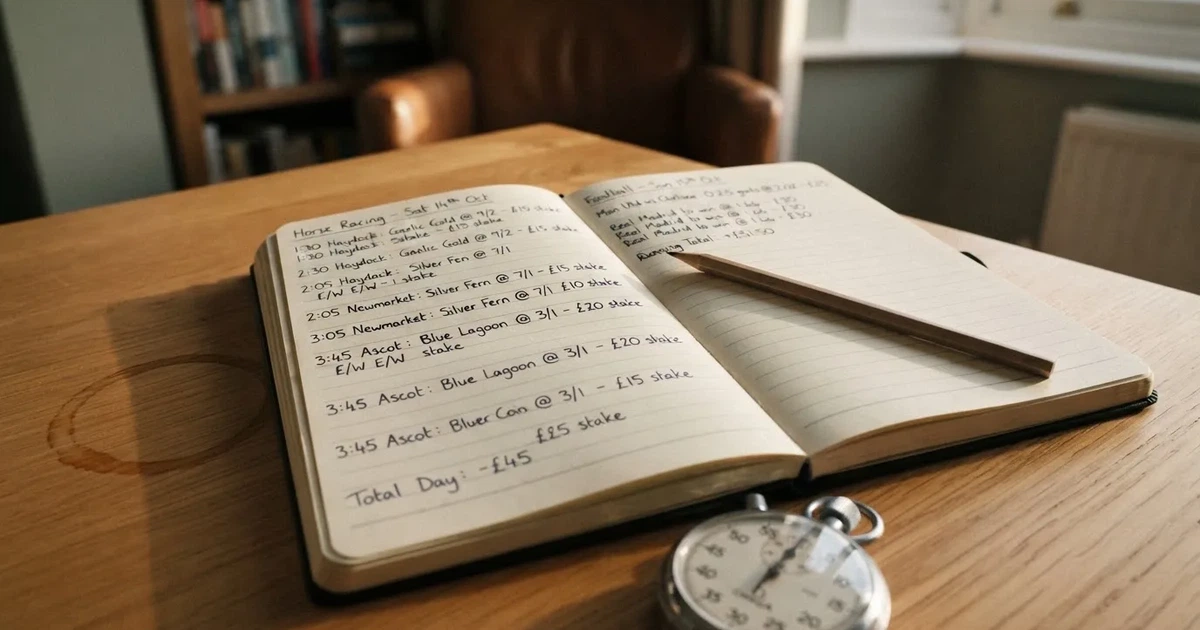
This guide is not a tip sheet. No picks, no scorelines, no “best bet of the day”. It is a way of looking at what a tip is, what it does, what it cannot do, and what it costs the punter who follows one. It sits in the same regulatory frame as the rest of the UK market: any bookmaker that takes a bet from a customer in Great Britain has to hold a Gambling Commission remote licence, and the ten brands reviewed in the ranking below all hold one. The arithmetic underneath a tip — the margin, the value, the turnover on a free bet — sits in the same numbers wherever the tip came from, paid or free.
The page is written for the punter who wants to know what the tip really is. The frame is cost, not promise.
What a tip is, and what it actually delivers
A tip is a selection someone else has made. At its weakest it is a guess with a stamp on it. At its strongest it is a forecast built from team form, head-to-head records, expected line-ups, injuries, weather, scheduling, market price, and a model that weighs each input. The output is a pick. The input is everything that went into the pick, and the difference between a guess and a forecast is what the tipster did with the input.

A prediction of the kind a tipster publishes is a probability dressed as a selection. The tip says “Team A to win” or “Over 2.5 goals” or “Leicester to score first”. Underneath is an estimate of how likely that outcome is, expressed as a number between 0 and 1. The number is never printed. It is implied by the price the tipster would need to be offered before they would back the selection, and that is the link between the world of analytics and the world of the betting slip: the price the bookmaker is offering, and the price the tipster thinks is fair.
The tipster’s job, in the strict sense, is to find a price that is too generous. Not a price that says the outcome is “likely” — that is the same as saying the price is short, and a short price pays little when it wins. A price that is too generous is one that pays more than the probability of the outcome justifies, after the bookmaker’s margin is taken out. That is a value bet, and it is the only kind of tip that has an edge in the long run, however small.
Free tipsters, paid tipsters, and model channels all sell the same thing. The price is different, the packaging is different, the time the punter spends consuming them is different. The output — a pick at a price — is the same. The page that follows pulls each of those strands apart and looks at what they cost.
How a prediction is built, from form to price
A forecast is built from inputs, and the inputs have weights. Form is the most quoted. It is the team’s recent results, weighted by the strength of the opposition and adjusted for home and away. Form is the headline, not the body. Form alone is not a forecast, because a team in form against weak opposition may not be in form at all, and a team that has lost three in a row may have lost them to a deflected goal, an opposition red card that did not come, and a fixture pile-up it has now come out of.

Statistics are the second input. Expected goals, expected goals against, shot quality, shots in the box, big chances, set-piece volume, pressing intensity, rest defence, the goalkeeper’s save percentage above or below expectation. These are the kind of numbers analytics sites publish by the bundle, and a tipster who cites them is telling the punter where the data came from. The numbers do not predict on their own: a model has to weigh them.
Line-ups are the third input, and the most fragile. A team sheet is rarely final ninety minutes before kick-off, and the late team news is the single biggest mover of the price between announcement and kick-off. A tip posted at 10 am on a Saturday morning that does not flag a doubt over a key player is a tip that does not survive the team-sheet. The tipster who waits until the teams are out and posts in the fifteen minutes before kick-off is the tipster with the better information; the price has often moved against them by then, and the value may be gone.
Injuries, suspensions, schedule congestion, travel, weather, and motivation are the rest. The Championship team with nothing to play for, the side two days after a European away game, the goalkeeper who has played seventy games in a calendar year. Each weighs a little, and the tipster either has a model that handles them or has watched the league long enough to feel them.
The price the bookmaker is offering sits on top. A prediction that says “Team A to win” at 1.50 is not the same bet as a prediction that says “Team A to win” at 2.20. The probability may be the same; the value is not. The tip that is right but taken at a short price loses the punter nothing they would not have lost, and the tip that is wrong at a long price loses more than it should. A tipster who publishes only the pick and not the price at which they want it taken has not finished the job.
Why a price beats a tip
The bookmaker’s odds are a probability with a margin bolted on. The price the punter sees is not a fair estimate of how likely the outcome is — it is a fair estimate with the bookmaker’s cut taken out of it. That is what the margin is. The bookmaker is not forecasting the future; the bookmaker is making a market, and the market keeps a slice.
The slice is small enough to be invisible in any single bet. It is large enough to compound. A bookmaker margin of 5% across every bet a punter places means the punter’s expected return over the long run is 5% less than the price they were offered suggests. A punter who has a flat 2% edge on the prices they take, after the margin, makes 2% on turnover. A punter who has no edge gives back 5% on turnover before the bookmaker’s promotional give-back. The arithmetic is the reason the tipster is asked to find a price that is too high, not a tip that is too good.
The page covers how the margin is calculated in a moment. The point for now is that the tip lives inside the price, and the punter who separates them is the punter who can read a tip.
Value, and why no tip is ever certain
A value bet is a price that is higher than the probability the outcome justifies, after the margin is taken out. The punter believes the outcome is more likely than the bookmaker is paying for, and the price reflects that belief. The punter may be right. The outcome may still not happen. A bet at a price that is too generous is a bet that loses most of the time, and the punter who cannot sit with the losing weeks is the punter who cannot run the system.
A tip that is right three times in a row at short prices may be no better than a tipster who is wrong three times in a row at long prices. The record of wins and losses is a record of the outcome, not of the forecast. The forecast lives in the price, and the price is the only thing a punter can audit.
The uncertainty is the point. If a forecast suggests a 60% probability of an outcome at decimal odds of 2.00, there is a 40% chance of losing the entire stake. At decimal odds of 1.60, the risk remains 40%, but the winning return is lower. The price is the only variable the punter controls to manage the cost of an error; therefore, staking a unit on a 60% forecast effectively means accepting a 40% loss potential.
No tip is certain because no forecast is certain. A bookmaker’s price is a probability with a margin; a tipster’s price is a probability with the margin stripped out. Both are estimates. The tip is a forecast, the price is a stake, and the outcome is what happens on the day.
Staking, bankroll, and the arithmetic of staying in the game
A forecast of 60% at a price of 2.00 is a value bet. A punter who stakes 10% of their bankroll on every value bet will go bust before the long run arrives. The punter’s stake has to be a fraction of the bankroll that survives the inevitable losing streak, and the fraction has to be small enough that even a long bad run does not empty the account.
The standard rules are flat staking — a fixed unit on every bet, typically 1% to 2% of the bankroll — and proportional staking, where the unit is a fixed percentage of the current bankroll. A punter staking 1% on a 100% bankroll stakes £1. A punter staking 2% on a 200% bankroll stakes £4. The unit rises with the bankroll and shrinks with it, and the system survives a long losing streak because the streaks that empty a 1% staker are short enough to be plausible.
Bankroll discipline is the punter’s edge inside the tipster’s edge. A forecast that loses 55% of the time at 2.00 makes money. A forecast that wins 55% of the time at 2.00 with a 10% stake loses money, because the streaks empty the bank before the long run arrives. The punter who sizes the stake to the bankroll is the punter who lives to see the long run.
The arithmetic is brutal in the other direction. A punter who doubles the stake after every loss, on the model of the casino chip, runs a 1% bankroll to zero in seven losses. The punter who chases a tip on a losing week with a bigger stake on the weekend acca is the punter who pays the bookmaker’s margin twice.
The bookmaker’s margin, in numbers
The margin is what the bookmaker keeps of every unit bet on a market. The arithmetic is straightforward on a two-way market with two outcomes and a price on each. Take the decimal odds, take the reciprocal of each, and add them. The sum is the bookmaker’s payout share — the fraction of every unit bet that is paid back to the punter on a perfectly accurate market. The margin is what is left.
A two-way market priced at 1.90 on each side gives a payout share of 1 ÷ 1.90 + 1 ÷ 1.90 = 0.5263 + 0.5263 = 1.0526. The bookmaker’s payout share is over 100%, and the margin is negative. The bookmaker is paying out more than it takes in, and the bet is not offered.
The two prices that put the bookmaker in the black sit higher. A two-way market priced at 1.95 on each side gives 1 ÷ 1.95 + 1 ÷ 1.95 = 0.5128 + 0.5128 = 1.0256. The margin is 1 − 1.0256 = −0.0256, which is also negative. The bookmaker is still paying out more than it takes. The market at 1.95 is closer to a fair two-way market but is not yet one.
A two-way market at 2.00 on each side gives 1 ÷ 2.00 + 1 ÷ 2.00 = 0.5 + 0.5 = 1.000. The margin is zero, and the bookmaker is not making anything on this market. The bookmaker is a charity. The 2.00 on each side is a fair coin, and the bookmaker does not run a fair coin.
A two-way market at 2.10 on each side gives 1 ÷ 2.10 + 1 ÷ 2.10 = 0.4762 + 0.4762 = 0.9524. The margin is 1 − 0.9524 = 0.0476, or 4.76% on a market of two equal prices. A bookmaker at 2.10 keeps about 4.8p of every £1 bet on this market in expectation, before the promotional give-back and the rules of the bookmaker’s own accounting.
The bookmaker’s margin in the real market is wider than 4.8%. A typical Premier League match-result market (the home-win, draw, away-win three-way) is priced at 2.10/3.40/3.50 or thereabouts, and the margin on that market sits in the 5% to 8% range. A typical over/under 2.5 goals market sits in the 5% to 7% range. A typical both-teams-to-score market sits in the 7% to 10% range. The figures move with the league, the time of the week, and the size of the book, and the punter is not told any of them by the bookmaker.
The price band a punter sees on a value bet is the band where the tipster’s probability is higher than the bookmaker’s probability after the margin. A bookmaker at 5% on a market where the tipster is taking 2.00 on a 55% forecast is offering the punter 100% of the implied 50% probability in a market that pays 95p on the pound. The punter is being asked to take a 45% probability of losing for a 50% gross return, and the arithmetic comes out the same as the tipster is advertising. A bookmaker at 7% on a market where the tipster is taking 1.85 on a 60% forecast is offering the punter 100% of the implied 54% probability in a market that pays 93p on the pound, and the punter’s net edge is the difference.
The cost to the punter is the margin. The cost the punter pays for the tip is the price. The two numbers are not the same, and the page that does not distinguish them is a page that does not earn the punter’s attention.
What a winning bet pays
The arithmetic of a winning bet is the arithmetic the punter sees on the slip. Stake times the decimal odds gives the return — the stake back plus the winnings. Stake times the odds minus one gives the profit, which is what the punter banks.
A £10 bet at 2.00 returns £20 and profits £10. A £10 bet at 3.50 returns £35 and profits £25. A £10 accumulator at combined odds of 25.00 returns £250 and profits £240, and the punter has taken four legs at a combined margin of around 5% to 8% per leg and a probability of winning that is the product of the four leg probabilities. The accumulator is a long way from a value bet if the legs were priced near the true probability, and a long way into the bookmaker’s margin if they were not.
The free bet is a separate case. A free bet at odds of 3.00 with a stake that is not returned gives the punter £20 in winnings on a £10 free bet. The free bet’s stake is the cost to the bookmaker, and the free bet’s value depends on the price.
A £10 free bet at 3.00 is worth £10 × 2 ÷ 3 = £6.67 in expectation, before the margin on the chosen market is taken out. The free bet at 2.00 is worth £10 × 1 ÷ 2 = £5.00. The free bet at 1.50 is worth £10 × 0.5 ÷ 1.5 = £3.33. The free bet is worth more at a longer price, and the free bet’s value is bounded above by the stake the bookmaker has issued.
The cost of the free bet to the bookmaker is the stake, and the cost of the free bet to the punter is the implied value. The free bet is the bookmaker’s marketing budget, and the punter is the audience.
How a free bet is cleared, and what the terms really cost
A free bet is not a gift. The terms attached to it are the price, and the price is high enough to be worth reading.
A typical free bet has an expiry — a deadline after which the free bet is gone. A punter who does not use the free bet inside the window is paying for the marketing without receiving the value. The deadline is a real cost.
A typical free bet has a minimum price. The punter is asked to back a selection at 1.50 or 1.67 or 2.00 or higher. The minimum price is the bookmaker’s way of making sure the free bet is not used to back a heavy favourite at a near-certain return, where the bookmaker would have lost nothing on the bet. The minimum price forces the punter to take a market with a longer price, where the bookmaker is paying out more on the win and is asking the punter to back a less certain outcome. The minimum price is a real cost.
A typical free bet has a market restriction. The free bet may be restricted to football, or to horse racing, or to the major leagues, or to the in-play markets. The restriction is the bookmaker’s way of putting the free bet on a market the bookmaker is confident in. The punter is asked to back a market where the bookmaker’s edge is largest.
A typical free bet has a stake-not-returned rule. The free bet’s stake is not paid back with a win, and the punter receives the winnings only. The stake is the bookmaker’s cost, and the punter is not refunded.
A typical free bet has a cap on winnings. The free bet may pay a maximum of £200 in winnings, or £500, or whatever the bookmaker’s marketing budget is willing to underwrite. The cap is the bookmaker’s ceiling on its own exposure. A punter who hits the cap has taken the bookmaker’s marketing and the cap is the marketing’s bound.
A welcome offer that is a free bet bundle — three free bets, a free spins bundle, and a casino bonus — is a bundle of three costs, not one. The cost of the bundle is the cost of the largest cost, and the largest cost is usually the casino bonus’s wagering requirement. The punter is asked to read each term and sum the cost.
The free bet is worth what the terms say it is worth. The terms are the price. The punter is the bookmaker’s customer.
The best free betting tipsters, in cost order
The ranking below names ten bookmakers that take customers in Great Britain under a Gambling Commission remote licence. The list is not a recommendation and not a tip sheet. It is a shortlist of brands the punter can check the licence of on the public register, and a description of what each charges for the free bet and the welcome offer attached to a new account.
The brands below are listed in the order shown on this page. Two of the brands are matched-betting platforms, and the matched-betting punter is a different reader from the value-bet punter. The value-bet punter looks for a price that is too generous, places a single bet, and waits. The matched-betting punter backs and lays the same selection at two bookmakers, locks in a small profit, and works through the free bets of every new account in turn. The cost is the same on the page — the offer’s terms, the free bet’s expiry, the minimum price, the cap on winnings — and the value is read differently.
The table below lists the brand, the Gambling Commission remote licence number and the licence holder, and the headline feature of the welcome offer. The free bet terms are described in the brand’s own entry. The page does not invent figures the bookmaker’s terms do not state.
| Brand | Gambling Commission remote licence (account number) | Licence holder | What the operator’s terms say on the free bet and the offer |
|---|---|---|---|
| BoyleSports | 039469 | Boylesports Enterprise | Acca Insurance: opt in, £5 minimum stake, 1/2 minimum odds, £20 maximum free-bet refund, 7-day expiry, bets placed and settled same day. |
| Fitzdares | 000400 | Fitzdares Limited | Cash out, accumulators, Lucky 15s, antepost markets, in-play live odds on horse racing, football, tennis, rugby, cricket, golf and American football. |
| Midnite | 101839 | Midnite Limited | Welcome offer: bet £5 or more at EVS (2.0) or greater within 14 days, receive £25 in free bets plus 50 free spins, free bets valid 7 days. |
| QuinnBet | 061011 | QuinnBet (Gibraltar) Limited | Free bets valid 7 days from credit, usable at 1/2 (1.5) or greater, maximum odds 50/1, straights allowed but Trixies, Patents and Yankees excluded. |
| Unibet | 045322 | Platinum Gaming Limited | Welcome offer: bet £20 or more at 2.0 (1/1) or greater, receive £40 in free bets, free bets expire within 7 days, debit card or instant bank transfer only. |
| 10bet | 043173 | Blue Star Planet Limited | Sportsbook covers football, tennis, horse racing; Cash out, Bet Builder and Live Streaming. |
| Ladbrokes | 054743 | LC International Limited | Odds boosts on horse and greyhound bets, Best Odds Guaranteed on UK and Irish racing, in-play betting, Acca Boosts. |
| Betfair | 039439 | PPB Counterparty Services Limited | In-play betting, Bet Builder, free live streaming of UK and Irish racing and football, 90 Minute Payout market. |
| NetBet | 039170 | Netbet Enterprises Limited | Daily Boosts, Profit Boosts, free bet offers, Bet Builder with instant dynamic odds, sports stats for major leagues. |
| Dabble | 065677 | Dabble Sports UK Ltd | Welcome offer: bet £10, get £10 in free bets on first deposit, 7-day free bet expiry, stake not returned. |
The table is the licence and the headline offer. The brand’s own entry is the cost.
BoyleSports: a 5-leg acca insurance that pays a 7-day free bet
BoyleSports’ acca insurance is one of the better-known acca insurances on the UK market. The bookmaker refunds a stake of up to £20 as a free bet if one leg of a 5-fold or larger accumulator lets the punter down, and the opt-in is on the betting slip. The minimum stake is £5, the minimum odds are 1/2 per leg, and the bets must be placed and settled on the same day. The free bet expires in 7 days. The punter is asked to build an acca, to lay the acca on a betting exchange if the punter is matched-betting, and to read the terms before the 7-day window closes. The acca insurance is the bookmaker’s marketing tool, and the punter is the intended audience.
The free bet’s stake is not returned, and the cap on the refund is £20. A punter who has a £20 acca that loses by one leg is refunded £20 as a free bet, and the punter has a 7-day window to use the free bet. The cost to the bookmaker is the £20, and the cost to the punter is the time spent on the marketing and the bookmaker’s terms.
Fitzdares: a long-form racing book with cash out and antepost
Fitzdares’ offer is the racing offer. The bookmaker offers cash out, accumulators, Lucky 15s, specials and antepost markets on horse racing, football, tennis, rugby, cricket, golf and American football, with in-play live odds. The bookmaker is one of the smaller names in the GB-licensed set, and the racing product is the headline. A punter who follows the National Hunt, the all-weather, and the antepost markets is the punter who reads Fitzdares’ terms first.
The welcome offer at Fitzdares is not as headline as the racing product. The punter checks the bookmaker’s terms page for the current welcome offer and reads the cost of the offer in the same way as any other bookmaker. The cost is the cost. The offer is the offer.
Midnite: a 7-day free bet bundle on a sports-only brand
Midnite’s welcome offer is a £25 free bets bundle plus 50 free spins for a £5 first bet at 2.0 (EVS) or greater, placed within 14 days of sign-up. The free bets are valid 7 days. The bookmaker’s site shows an acca builder, popular accas, and price boosts with maximum-stake limits, and the in-play product is the headline. The bookmaker is the only UK-licensed brand in this set that runs sports, casino, and esports on a single product, and the welcome offer is the price of the cross-product bundle.
The free bet’s expiry, minimum odds, and qualifying window are all costs. A punter who does not read the terms is paying for the marketing without receiving the value.
QuinnBet: a free bet that excludes the system bets
QuinnBet’s free bet is a 7-day free bet usable on any market at 1/2 (1.5) or greater, with a maximum price of 50/1. The free bet excludes Trixies, Patents and Yankees, and straight accumulators are allowed. The free bet’s stake is not returned. The punter is asked to back a single, a double, or a straight accumulator, and the punter who wants a Trixie, a Patent or a Yankee is someone who has read the terms. The cost of the free bet is the cost of the marketing.
The bookmaker’s welcome offer is described on the bookmaker’s terms page, which should be checked carefully. The two pages are not the same, and a punter who reads only one is missing the cost.
Unibet: a £40 free bet bundle on a long-running book
Unibet’s welcome offer is “Get £40 in Free Bets when you bet £20”: a deposit and a sports bet of £20 or more at minimum odds of 2.0 (1/1), with the free bets expiring within 7 days of issue, for new GB customers using a debit card or an instant bank transfer. The bookmaker has operated since 1999, and the UK site is run by Platinum Gaming Limited, Gibraltar, under Gambling Commission account 45322. The bookmaker offers Bet Builder, daily Uniboosts, live streaming through Unibet TV, in-play betting, Best Odds Guaranteed on horse racing, and Cash Out on thousands of markets.
The cost of the offer is the £20 qualifying bet, the 7-day expiry on the free bets, and the 2.0 minimum odds. The bookmaker’s safer gambling tools include deposit limits, a Player Profile test, product restrictions and self-exclusion, with links to BeGambleAware, GamCare, GAMSTOP, Gambling Therapy and the BGC. The punter is the customer, and the bookmaker is regulated by the Gambling Commission. The 7-day expiry, the 2.0 minimum odds, and the 50/1 maximum price on the free bet are costs to read in the terms.
10bet: a sportsbook with Live Streaming and Bet Builder
10bet’s sportsbook covers football, tennis and horse racing, with Cash out, Bet Builder and Live Streaming. This operator is licensed in Great Britain under account 43173. The bookmaker’s welcome offer is described on its terms page, and the punter reads the cost. The cost of Live Streaming is a funded account or a bet in the last 24 hours on qualifying markets.
The bookmaker’s offer is the bookmaker’s marketing. The punter is the audience.
Ladbrokes: BOG, in-play, and a free Reward Shaker
Ladbrokes offers odds boosts on horse and greyhound bets, Best Odds Guaranteed on UK and Irish racing, in-play betting and Acca Boosts. This operator holds Great Britain licence 54743. The bookmaker’s site runs BOG from 8 AM on UK and Irish racing, and the punter checks the bookmaker’s terms for the qualifying market and the BOG window.
The cost of the offer is the cost of the marketing. The BOG is the bookmaker’s marketing for a racing product, and the punter is the audience. The bookmaker’s offer is described on the bookmaker’s terms page, and the punter reads the cost.
Betfair: in-play, Bet Builder, and free live streaming
Betfair Sportsbook offers in-play betting, Bet Builder, free live streaming of UK and Irish horse racing and football, and a 90 Minute Payout market. This operator holds Great Britain licence 39439. The bookmaker is one of the largest names on the market, and the in-play product is the headline. The free streaming is marketing, and the qualifying bet is described in the terms.
The cost of the offer is the cost of the marketing. The 90 Minute Payout is the bookmaker’s marketing for a same-game multi, and the punter is the audience.
NetBet: Daily Boosts, Profit Boosts, and a Bet Builder
NetBet’s sportsbook offers Daily Boosts, Profit Boosts, free bet offers, a Bet Builder with instant dynamic odds, and sports stats for major leagues. This operator holds Great Britain licence 39170. The bookmaker is one of the smaller names in the market, and the daily boost is the headline.
The cost of the offer is the cost of the marketing.
Dabble: a £10 free bet on a £10 first deposit
Dabble’s welcome offer is “Bet £10, Get £10 in Free Bets” on a first deposit for new customers, with minimum odds, a 7-day free bet expiry, and the stake not returned. This operator holds Great Britain licence 65677. The bookmaker’s site runs in-play and social features, and the punter reads the terms for the cost, which includes the 7-day expiry and the stake-not-returned rule.
What the licence is, and what it does for the punter
The Gambling Commission is the regulator of the commercial gambling market in Great Britain. The Commission is a non-departmental public body sponsored by the Department for Culture, Media and Sport, and it licenses the whole commercial market under the Gambling Act 2005, which covers England, Scotland and Wales. Northern Ireland is outside the Act and runs on a separate older law, so the licence is a “Great Britain” licence and is not a “United Kingdom” licence.
A bookmaker whose remote facilities are used by a customer in Great Britain has to hold a Commission licence wherever the bookmaker is based. The Gambling (Licensing and Advertising) Act 2014 closed the point-of-supply loophole; a Curaçao, Maltese or Gibraltar licence is not a substitute for the Commission licence, and a Curaçao, Maltese or Gibraltar licensee that takes bets from a customer in Great Britain without a Commission licence is breaking the law.
The Commission runs a public register that can be searched by business name, trading name, domain or account number. The register is the whole test of who holds a licence, and the punter checks the bookmaker on the register before placing the first bet. The register’s account number, the licence holder, and the licensed remote activity are listed against each brand. The ten brands in the table above all hold a remote general betting standard (real events) licence, and one of them also holds a remote betting intermediary licence, which is the licence for a betting exchange.
The licence does not promise a winning bet. The licence does promise that the bookmaker is subject to the Commission’s Licence Conditions and Codes of Practice, that the bookmaker’s marketing is regulated by the CAP and BCAP Codes, that the bookmaker is a member of GAMSTOP, and that the bookmaker’s dispute resolution is approved. The punter who is in dispute with a GB-licensed bookmaker has a route through the Commission and through an approved alternative dispute resolution body. The punter who is in dispute with an unlicensed bookmaker has no such route.
The minimum age to bet is 18. The bookmaker verifies the customer’s name, address and date of birth before the first deposit and before the first bet, including with a free bet or a bonus, and the verification has been in force since 7 May 2019. The punter who is asked to upload a driving licence and a utility bill is being asked because the Commission has told the bookmaker to ask. The verification is the cost of the licence.
What a financial vulnerability check is, and what it is not
The Commission has put in place a financial vulnerability check at remote betting sites. The check applies to licensed remote bookmakers when a customer’s deposits minus withdrawals exceed £150 in a rolling 30 days, and the check has been in force since 28 February 2025. The check is a public-record check — bankruptcy, county court judgments, the public part of the individual insolvency register — and it is not a credit reference check and not an income check. The bookmaker is asking whether the customer has a public-record marker that suggests financial vulnerability, and the bookmaker is asking because the Commission has told the bookmaker to ask.
The check is a soft check. The customer’s name and date of birth are passed to a public-record database, the database returns a flag or no flag, and the flag is the bookmaker’s signal to act. A flag does not mean the customer cannot bet. A flag means the bookmaker has a duty to interact with the customer about the deposit, and the interaction is part of the Commission’s safer gambling duties.
The check is a small cost on a £150 monthly deposit. The check is a larger cost on a £1,500 monthly deposit, because the customer may be asked to provide evidence of source of funds. The check is the cost of the licence, and the licence is the cost of the regulator.
Financial risk assessments, sometimes called affordability checks in the press, are a separate process. The Commission has announced a staged plan for risk assessments, with the Commission’s article of 7 July 2026 setting out the staging. The risk assessment is not yet in force. A punter who sees a bookmaker running a credit check or an income check is being asked because the bookmaker’s own policy says so, not because the Commission has told the bookmaker to ask.
What the deposit limit is, and what it is not
The Commission has put in place a gross deposit limit on a fixed time frame. The limit has applied since 31 October 2025 in the first phase, and a second phase was postponed to 30 September 2026. Whether the second phase is live is not established. The limit is not a state-set cap on a customer’s deposit; the limit is the customer’s own choice, set in the customer’s account.
A punter who sets a £100 weekly deposit limit at a GB-licensed bookmaker cannot deposit more than £100 in a 7-day window, and the bookmaker is bound by the limit. A punter who does not set a limit is a punter who has not set a limit, and the bookmaker is not bound by a limit the punter has not set. The cost of the limit is the discipline of the punter.
What credit-card betting is, and why it is banned
The Commission has banned credit-card gambling in Great Britain. The ban has been in force since 14 April 2020 and applies to remote and non-remote bookmakers, and to credit-card-funded payments through an e-wallet. Debit cards and bank-based payments are not covered by the ban.
A punter who tries to deposit with a credit card at a GB-licensed bookmaker is blocked at the cashier. The block is the cost of the ban. The punter who wants to bet on credit is a punter who has to find an unlicensed bookmaker, and the unlicensed bookmaker is the punter’s own choice.
What spread betting is, and what it is not
Spread betting is a different product. Spreadex, for example, is regulated by the Financial Conduct Authority for spread betting and by the Gambling Commission for fixed-odds betting, and the bookmaker’s site states that spread betting losses can exceed the deposit. A spread bettor can lose more than the deposit, and the FCA’s regulation is the protection the spread bettor has.
A punter who is looking for a tip on a Premier League match is a punter who is looking for a fixed-odds tip, and a spread bet on the same match is a different bet. The two products are not interchangeable, and a punter who treats a spread bet as a fixed-odds bet is a punter who has misread the bookmaker’s terms.
What the betting tax is, and who pays it
The punter pays no tax on betting winnings in Great Britain. The general information is the Commission’s: a bettor in Great Britain does not pay income tax or capital gains tax on the winnings of a fixed-odds bet, and the Commission does not require the bookmaker to withhold a tax. A professional gambler should ask HMRC or an adviser, because the tax treatment of a professional’s winnings is a different matter.
The bookmaker pays the General Betting Duty, a tax on gross profits. The Duty is currently 15% of the bookmaker’s gross profits, and the bookmaker may pass the Duty on through the odds or may absorb it in the margin. From 1 April 2027 a new remote betting rate of 25% applies within the Duty, while remote bets on UK horse racing, bets on self-self-service betting terminals in licensed premises, pool betting and in-person betting stay at 15%. Until 1 April 2027 the remote rate stays at 15%, and the punter’s cost is the cost of the marketing, not the cost of the tax.
The Commission’s statutory levy is a separate charge on the bookmaker. The punter is the customer, and the bookmaker is the licensee.
What the offshore bookmaker is, and what it costs the punter
An offshore bookmaker is a bookmaker licensed outside Great Britain that takes bets from customers in Great Britain. The bookmaker is breaking section 33 of the Gambling Act 2005, and the bookmaker is the offender, not the punter. The punter who bets on an offshore bookmaker has broken no law found by the Commission, and the punter is the bookmaker’s customer.
The punter pays the cost. The offshore bookmaker is not a member of GAMSTOP, and the punter is not covered by the Commission’s self-exclusion scheme. The offshore bookmaker is not bound by the Commission’s marketing rules, and the punter is not protected by the Commission’s bonus cap, the 5x or 10x wagering limit, the financial vulnerability check, or the £150 deposit threshold. The offshore bookmaker is not bound by the dispute-resolution rules, and the punter has no British consumer redress if the offshore bookmaker withholds funds.
The Commission has the power to issue cease-and-desist notices, to refer sites to search engines, and to work with registrars, hosts and payment providers. The Commission has been given, or is about to receive, court-order DNS blocking powers. The punter who finds an offshore bookmaker is a punter who has chosen to bet without the protection of a GB licence, and the cost is the absence of the protection.
The honest framing is the framing the punter can use. A licensed bookmaker is a bookmaker that runs the Commission’s checks, marketing rules, bonus cap, and dispute resolution. An unlicensed bookmaker runs none of those. Neither is “the safe choice” by default. The punter is the customer, and the licence is the cost.
What the safer gambling tools are, and where to get help
The bookmaker’s safer gambling tools are the deposit limit, the time-out, the product restriction, the self-exclusion, and the reality check. The deposit limit is the customer’s own choice, set in the customer’s account. The time-out is a short break, from 24 hours to six weeks. The product restriction is a block on a single product, such as the sportsbook or the casino. The self-exclusion is a six-month, one-year, five-year, or five-years-with-auto-renewal period, and after the minimum period the exclusion stays in place for a further seven years unless the customer asks GAMSTOP to remove it.
GAMSTOP is the national multi-operator online self-exclusion scheme, and a GB-licensed online bookmaker is a mandatory member. The punter who self-excludes through GAMSTOP is barred from every GB-licensed online site and app. The exclusion does not cover betting shops. The punter who tries to bet during an active exclusion is breaking the terms of the agreement, and the operator is the Commission’s licensee.
GamCare runs the National Gambling Helpline. GambleAware funds education, prevention and treatment. The NHS runs gambling clinics. Gamblers Anonymous runs peer support. The bookmaker’s site lists links to BeGambleAware, GamCare, GAMSTOP, Gambling Therapy and the BGC, and the punter is the bookmaker’s customer.
The punter who is losing more than the punter can afford is a punter who is paying for the marketing and not the betting. The punter who is chasing a losing week is a punter who is paying for the marketing. The punter who is hiding bets from family is a punter who is paying for the marketing. The help is the help, and the help is free.
How a live tip works, and why the price is moving
In-play betting is the largest growth area on the UK-licensed market. The bookmaker offers a market, the market moves, and the punter bets inside the moving market. The bookmaker’s site lists in-play events on the home page, and the punter is asked to read the in-play terms.
A live tip is a tip on an in-play market. The tipster reads the game, watches the odds, and posts a pick on a market that has not yet settled. The price is moving, and the tipster’s value is the tipster’s read of the price.
The price of a live market is the price of a market the bookmaker is running on an event that is unfolding. The bookmaker’s in-play trading team is updating the price in real time, and the tipster is competing with the trading team. A tip that is right at the price the tipster quoted is a tip that has beaten the trading team, and the tipster has to be faster than the bookmaker’s price feed to win.
The live market is a different market to the pre-match market. The pre-match market is a market on a future outcome, and the live market is a market on a present outcome. The bookmaker’s margin on the live market is wider than the pre-match market’s, because the bookmaker’s risk is shorter and the bookmaker’s edge is sharper. A live tip is a tip on a market with a wider margin, and the tipster has to be sharper to beat the wider margin.
The bookmaker’s cash out is the bookmaker’s price for closing the bet before the bet settles. The cash out price is the bookmaker’s price for the bet’s current value, and the cash out price is the bookmaker’s edge inside the bet. The punter who cashes out at a low price is a punter who has paid the bookmaker’s edge twice, once on the original bet and once on the cash out. The punter who lets the bet settle is a punter who has paid the bookmaker’s edge once.
The bookmaker’s Bet Builder is a same-game multi, a multi on a single event. The bookmaker’s price on the multi is the product of the bookmaker’s prices on the legs, and the bookmaker’s margin is the product of the bookmaker’s margins on the legs. A 5-leg Bet Builder at the bookmaker’s typical 5% to 8% per leg has a margin in the 25% to 40% range, and the punter is paying the bookmaker’s edge on every leg. The bookmaker’s headline price on the multi is the bookmaker’s headline, and the punter is the audience.
What a bookmaker’s free live streaming is, and what it costs
A bookmaker’s free live streaming is the bookmaker’s marketing for a sportsbook product. A punter who has a funded account and a bet in the last 24 hours has access to this service; otherwise, the cost of the streaming is the qualifying bet or the time spent on the marketing.
A bookmaker’s free live streaming is not the same product as a subscription streaming service. The bookmaker’s stream is the bookmaker’s product, and the bookmaker’s stream is the bookmaker’s cost. The bookmaker’s cost is the bookmaker’s marketing, and the punter is the audience.
What the matched-betting punter does, and what the cost is
The matched-betting punter backs a selection at a bookmaker and lays the same selection at a betting exchange. The two bets cancel each other out at the bookmaker’s price, and the punter locks in a small profit that is the bookmaker’s free bet. The matched-betting punter is a user of two bookmakers at once.
The matched-betting punter is a different reader from the value-bet punter. The value-bet punter looks for a price that is too generous, places a single bet, and waits. The matched-betting punter looks for a free bet, places two bets, and works through the free bet’s terms. The cost is the same on the page — the offer’s terms, the free bet’s expiry, the minimum price, the cap on winnings — and the value is read differently.
The matched-betting punter is the bookmaker’s least favourite customer. The bookmaker’s free bet is the bookmaker’s marketing for a sportsbook, and the matched-betting punter is a customer who has read the marketing and taken the cost. The bookmaker’s response is the bookmaker’s terms, and the bookmaker’s terms are the cost. A punter who is asked to verify identity more strictly, who is asked to provide source of funds, who is asked to provide a payslip, is a punter who has been flagged by the bookmaker’s risk team, and the punter has been flagged because the punter is a matched-betting punter.
The cost of matched betting is the cost of the operator’s terms.
The cost of the free bet, in real numbers
A £10 free bet at a price of 3.00 is worth £6.67 in expectation, before the margin on the chosen market. A £10 free bet at 2.00 is worth £5.00. A £10 free bet at 1.50 is worth £3.33. The free bet is worth more at a longer price, and the bookmaker’s marketing is the marketing for a free bet at a long price.
A £25 free bets bundle at a price of 3.00 is worth £16.67 in expectation, before the market margin. A £40 free bets bundle at a price of 3.00 is worth £26.67 in expectation. The bundle is worth what the bundle is worth, and the bundle is the cost of the marketing.
A free bet at a price of 1.50 is worth 33% of its face value, while at 3.00 it is worth 67%, and at 5.00 it is worth 80%. The free bet’s value depends on the price, and the cost is the marketing.
The free bet is bounded above by the stake the bookmaker has issued. The free bet is bounded below by the cost the punter is willing to pay. The cost is the cost, and the punter is the bookmaker’s customer.
How a tip is read, in three moves
The first move is the price. A tip is a tip at the price the tipster quotes, and the price is the only thing the punter can audit. A tip without a price is a tip without a forecast, and a tip without a forecast is a guess.
The second move is the stake. A tip is a tip at the stake the punter places, and the stake is the only thing the punter can size. A tip with a 10% stake is a tip that has not survived the bankroll discipline, and a tip with a 1% stake is a tip that has.
The third move is the exit. A tip is a tip until the bet is settled, and the punter has to decide whether to cash out, to lay off, or to let the bet run. The exit is the bookmaker’s edge inside the bet, and the punter is the bookmaker’s customer.
The three moves are the three moves a tipster cannot take for the punter. The punter is the bookmaker’s customer, and the punter is the tipster’s audience.
What a tipster does not do, and what a tipster cannot promise
A tipster does not pick winners. A tipster publishes picks, and the picks win at the probability the price implies. A punter who has paid for a promise has paid for the marketing.
A tipster does not beat the bookmaker’s margin. A tipster may find a price that is too generous, and the price is the tipster’s edge. The tipster does not remove the margin, and the punter is the bookmaker’s customer.
A tipster does not promise an income. A tipster may publish a record, and the record is the tipster’s track. The track is a sample, and the sample is a draw from a distribution, and the distribution is unknown. A punter who has paid for a track is a punter who has paid for the past, and the past is the cost.
A tipster is a tipster. A tipster is a forecast, a price, a stake, and an exit. The punter is the punter.
A short reading list, in the British usage
A bookmaker is a bookie. A punter is a customer. A tipster is a forecaster. An accumulator is an acca. A free bet is a bet credit. A price boost is a price boost. A best-odds-guaranteed is a BOG, and the BOG applies from 8 AM on UK and Irish racing. A cash out is a cash out. A bet builder is a same-game multi. A Trixie is four bets. A Patent is seven. A Yankee is eleven. A Lucky 15 is fifteen. A Heinz is fifty-seven. A Goliath is two hundred and forty-seven. The stake is a unit, the return is the stake plus the winnings, the profit is the winnings, and the price is the price.
The unit is the punter’s own unit. The unit is 1% of the bankroll, and the bankroll is the punter’s own bankroll. The punter is the punter.
How the punter reads the table
The table on this page lists the brand, the licence number, the licence holder, and the headline offer. The licence number is the punter’s check, and the punter reads the number on the Commission’s public register. The licence holder is the punter’s record, and the punter reads the holder on the register. The headline offer is the punter’s cost, and the punter reads the cost on the bookmaker’s terms page.
The table is the licence, the holder, and the offer. The brand’s own entry is the cost. The cost is the cost.
What the punter reads first
The punter reads the licence first. The punter checks the brand on the Commission’s public register, and the punter checks the account number. The punter reads the offer second, and the punter reads the offer’s terms. The punter reads the cost third, and the punter reads the cost on the offer’s terms.
The punter is the bookmaker’s customer. The bookmaker is the Commission’s licensee.
The cost, and what it is worth
A free bet is a marketing budget. A welcome offer is a marketing bundle. A matched-betting offer is a marketing budget for a customer the bookmaker is trying to keep. The cost of the marketing is the cost of the punter’s read of the terms, and the punter’s read of the terms is the punter’s audit.
The punter who reads the terms understands the cost; the punter who does not is paying for the marketing without knowing what it involves.
The cost is the cost. The punter is the punter.
A closing cost, in plain numbers
A bookmaker at 2.10 on each side of a two-way market keeps 4.76% of every unit bet on the market in expectation, before the bookmaker’s promotional give-back and the bookmaker’s own accounting. A bookmaker at 2.05 on each side keeps a smaller share, and a bookmaker at 2.20 on each side keeps a larger one. The cost is the cost, and the cost is the margin.
A bookmaker’s 5-leg Bet Builder at 5% to 8% per leg has a margin in the 25% to 40% range. The punter pays the bookmaker’s edge on every leg, and the multi is the bookmaker’s marketing for a same-game multi.
A £10 free bet at 3.00 is worth £6.67 in expectation, before the market margin. A £10 free bet at 1.50 is worth £3.33. The free bet is the bookmaker’s marketing, and the cost is the cost.
A punter’s stake of 1% on a 100% bankroll is a stake of £1. A punter’s stake of 2% on a 200% bankroll is a stake of £4. The stake rises with the bankroll and shrinks with it, and the stake is the punter’s discipline.
The cost is the cost. The punter is the punter.
Frequently asked questions about free betting tipsters
How does someone become a betting tipster?
A tipster is a forecaster who publishes picks. There is no licence, no qualification, and no regulator. Anyone can publish picks on social media, on a paid channel, in a newsletter, or in a book. The discipline is the discipline of a long-run forecast: the tipster keeps a record of the picks, the prices, the stakes, the results, and the closing bankroll, and the record is the tipster’s audit. A tipster who does not keep a record is a tipster who has not finished the job. The punter who follows a tipster is the punter who reads the record, and the record is the cost.
Who is the best betting tipster?
No regulator ranks tipsters, and no public record lists a “best”. A tipster’s record is a sample, and a sample is a draw from a distribution, and the distribution is unknown. A tipster who has published a 60% win rate over 1,000 picks at an average price of 2.00 has done the work a value-bet punter asks for, and the record is auditable. A tipster who has published a 60% win rate over 50 picks has not. The punter reads the record, and the record is the cost.
What is a tipster in betting?
A tipster is a forecaster who publishes a pick on a market at a price. The tipster is the forecaster, and the punter is the audience.
What is a value bet, and why is no tip ever certain?
A value bet is a price that is higher than the probability the outcome justifies, after the bookmaker’s margin is taken out. The punter believes the outcome is more likely than the bookmaker is paying for, and the price reflects that belief. The punter may be right, and the outcome may still not happen. A bet at a price that is too generous is a bet that loses most of the time, and the punter who cannot sit with the losing weeks is the punter who cannot run the system. No tip is certain because no forecast is certain, and no forecast is certain because no model is perfect and no input is final. The cost of the forecast is the discipline of the punter.
What is the bookmaker’s margin, and how does it show in the odds?
The margin is what the bookmaker keeps of every unit bet on a market. The arithmetic is the reciprocal of each decimal price, summed across the outcomes of a single market to find the payout share (1 / total of 1/odds). A market at 2.00 / 2.00 has a payout share of 1.00 (0.5 + 0.5), meaning a 0% margin. A market at 1.90 / 1.90 has a payout share of 1.05 (0.526 + 0.526), meaning an overround of 5%, which is not a viable market. The margin is the share of the payout the bookmaker retains.
How is the return on a bet worked out from the stake and the odds?
A return is the stake times the decimal odds. A £10 bet at 2.50 returns £25, and the profit is £15. A £10 bet at 3.00 returns £30, and the profit is £20. A £10 accumulator at combined odds of 25.00 returns £250, and the profit is £240. A free bet at odds of 3.00 with a stake that is not returned gives the punter £30 in winnings on a £10 free bet, and the profit is the £30, not the £40 the punter would have received if the stake had been returned. The cost is the cost, and the cost is the bookmaker’s terms.
Tips & predictions – Cricket betting
Content created by the «Cricket betting» team
